
Essentials
The tools that never let you down
The core of the trade: solid tools in sturdy steel and polycarbonate, with no frills, for people opening their first venue, finishing a course or working their first shift behind the bar. The workhorse kit that really holds up.
Every bartender who has worked real nights knows it: behind the bar it is not the best-looking tool that wins, it is the one that is always there and never lets you down.
A jigger that measures exactly even on the three-hundredth order. A steel shaker that holds its seal and opens with one clean tap. A pourer with a steady flow, a strainer that strains cleanly, a tidy prep station when the floor is busy. These are the tools professionals keep in their workhorse kit, from the local bar to the five-star hotel, precisely because they are reliable, sturdy and plain.
"Essentials" does not mean second-rate: it means core. Stainless steel and polycarbonate are not the budget choice, they are the choice for heavy use: materials that stand up to citrus, ice, drops and a fast pace, and stay with you for years. Here you will find the core to start from, organised by function, so you build your first kit around the movements you will actually make.
Measure is everything
Measuring and pouring
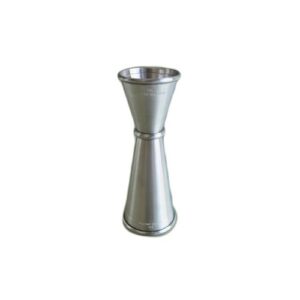
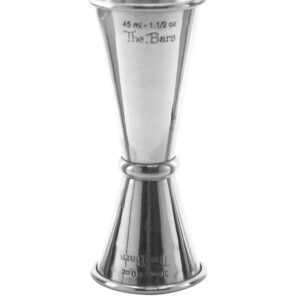
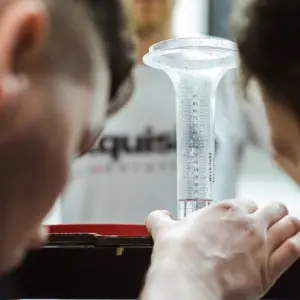
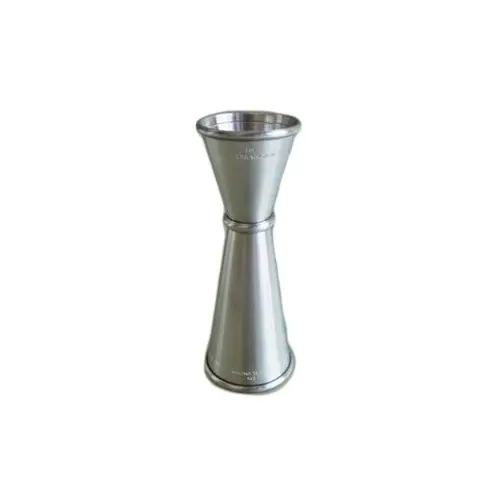
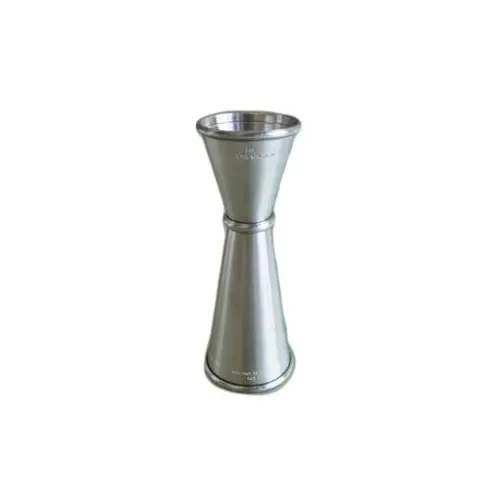
The right cocktail starts from the right measure. Double-cup stainless steel jiggers and pourers with a steady flow: the consistency that lets you serve the same drink on the first order of the night as on the hundredth.
-
Add
-
Add
-
Add
-
Add
-
Add
-
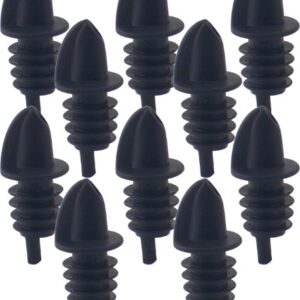
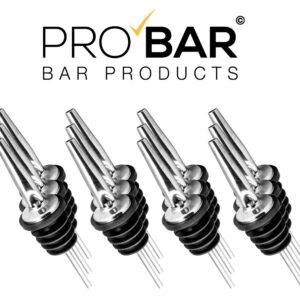 Metal and Plastic PourersAdd
Metal Pourer, Stainless Steel with Rubber Base (Pack of 12)
Original price was: 17,90 €.9,97 €Current price is: 9,97 €. ex VAT -
Add
-
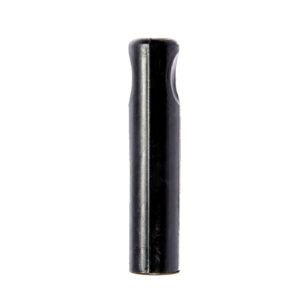 Metal and Plastic PourersAdd
Pourer Caps Deluxe for Metal Pourers, Black Rubber (Pack of 12)
4,90 € ex VAT -
 Back Bar EquipmentOptions
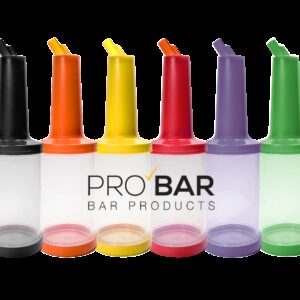
Speed Bottle 1 Litre Store ‘n Pour, Vented Pourer and Cap, Seven Colours
6,90 € ex VAT


The stirring movement
Stirring
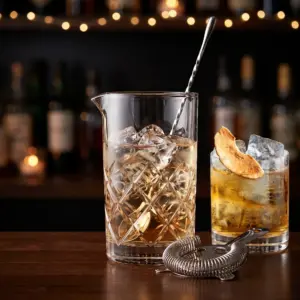
Long bar spoons and sturdy mixing glasses: the core of stirred drinks, where control, precise dilution and a clean movement that the guest sees and remembers all count.
-
 Bar SpoonsAdd
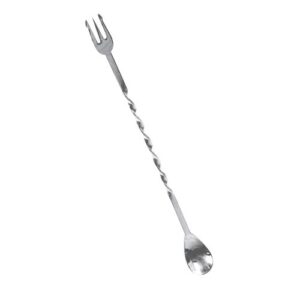
Trident Bar Spoon 28cm Nettuno, Stainless Steel
Original price was: 7,90 €.5,53 €Current price is: 5,53 €. ex VAT -
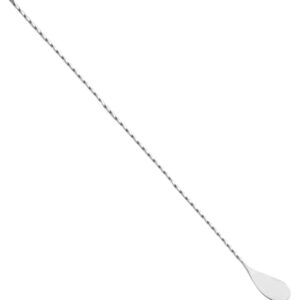 Bar EquipmentAdd
Bar Spoon 30cm, Twisted Stem, Stainless Steel
Original price was: 4,90 €.3,92 €Current price is: 3,92 €. ex VAT -
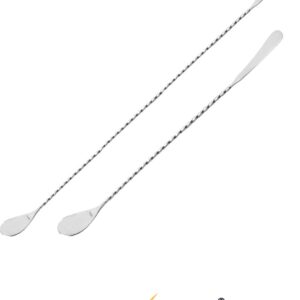 Bar SpoonsOptions
Bar Spoon Hoffman, Teardrop End, Stainless Steel, 30 or 45cm
Price range: 7,68 € through 15,12 € ex VAT -
Add
-
 Mixing GlassesAdd
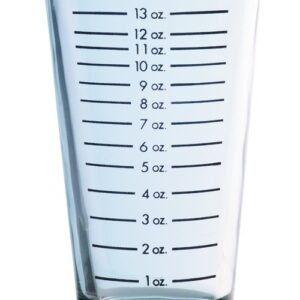
Mixing Glass, Clear Glass, 16cm
Original price was: 7,10 €.4,97 €Current price is: 4,97 €. ex VAT -
 Cocktail ShakersAdd
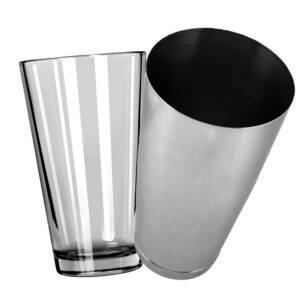
Mixing Glass and Boston Shaker Set, Glass and Polished Stainless Steel
Original price was: 11,30 €.10,17 €Current price is: 10,17 €. ex VAT -
Add


The engine of the bar
Shaking
Steel Boston tins and small tins, weighted too: a seal that holds, a clean break with one tap, and the weight to keep up with a fast pace. In high-volume service these tools make the difference between strain and flow.
-
 Bartender KitsAdd
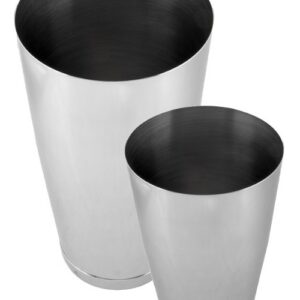
Boston Shaker Set 28oz and 20oz, Weighted Tins, 18/10 Stainless Steel
Original price was: 12,80 €.11,52 €Current price is: 11,52 €. ex VAT -
Bartender KitsOptions
Boston Shaker Tin Set 28oz and 20oz, 18/10 Stainless Steel
Original price was: 12,00 €.10,80 €Current price is: 10,80 €. ex VAT -
 Cocktail ShakersAdd
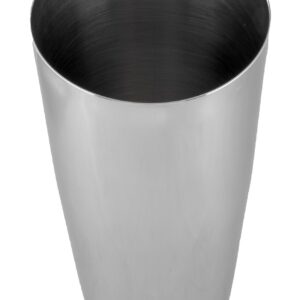
Boston Shaker Tin 28oz, 18/10 Stainless Steel
Original price was: 8,40 €.5,88 €Current price is: 5,88 €. ex VAT -
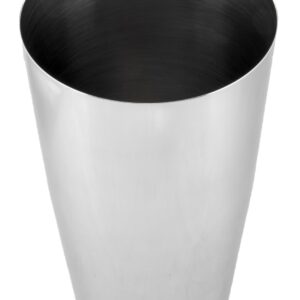 Cocktail ShakersAdd
Boston Shaker Tin 28oz, Weighted, 18/10 Stainless Steel
Original price was: 8,90 €.6,68 €Current price is: 6,68 €. ex VAT -
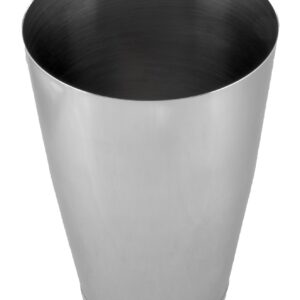 Cocktail ShakersAdd
20oz Half Tin Boston Shaker, 18/10 Stainless Steel
Original price was: 7,90 €.6,32 €Current price is: 6,32 €. ex VAT -
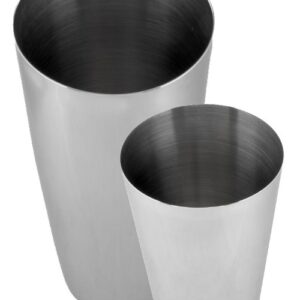
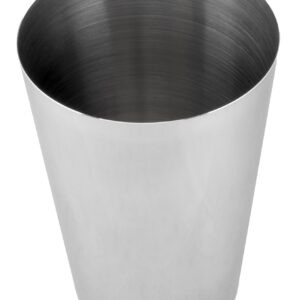
Cocktail ShakersOptions
Boston Shaker Tin 20oz (Half Tin), Unweighted, 18/10 Stainless Steel
Original price was: 7,40 €.5,18 €Current price is: 5,18 €. ex VAT
A clean glass
Straining
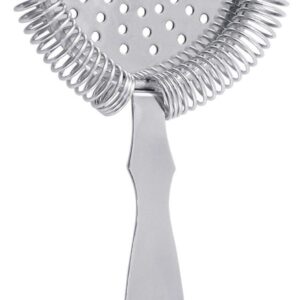
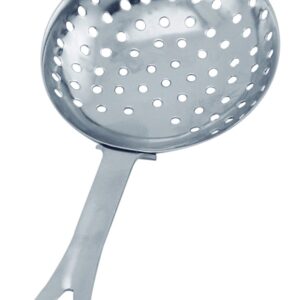
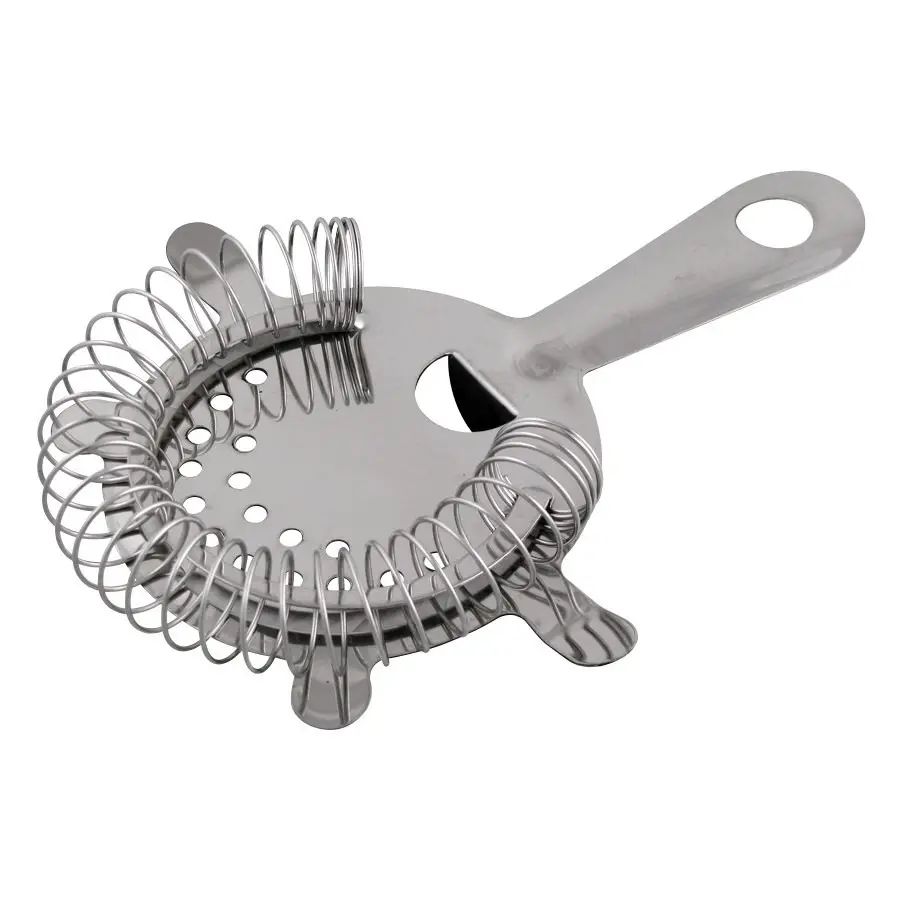
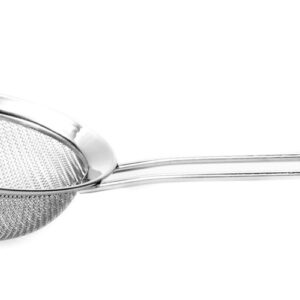
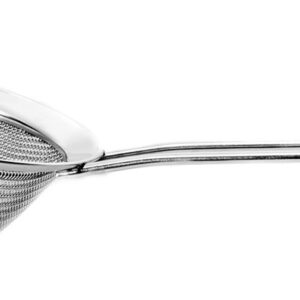
Hawthorne, julep, conical mesh: every technique has its strainer. Fine straining leaves only the drink in the glass, with no ice shards or bits.
Freshness and detail
Citrus, cutting and garnish
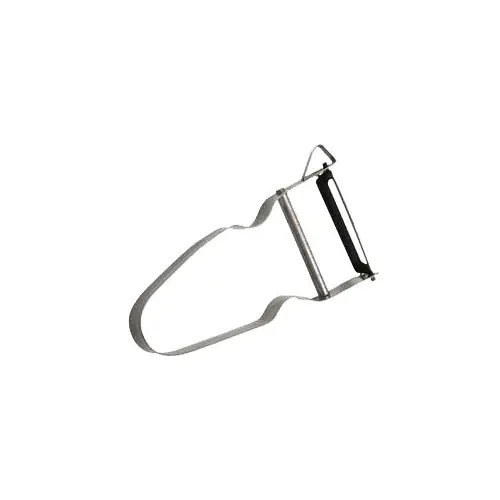
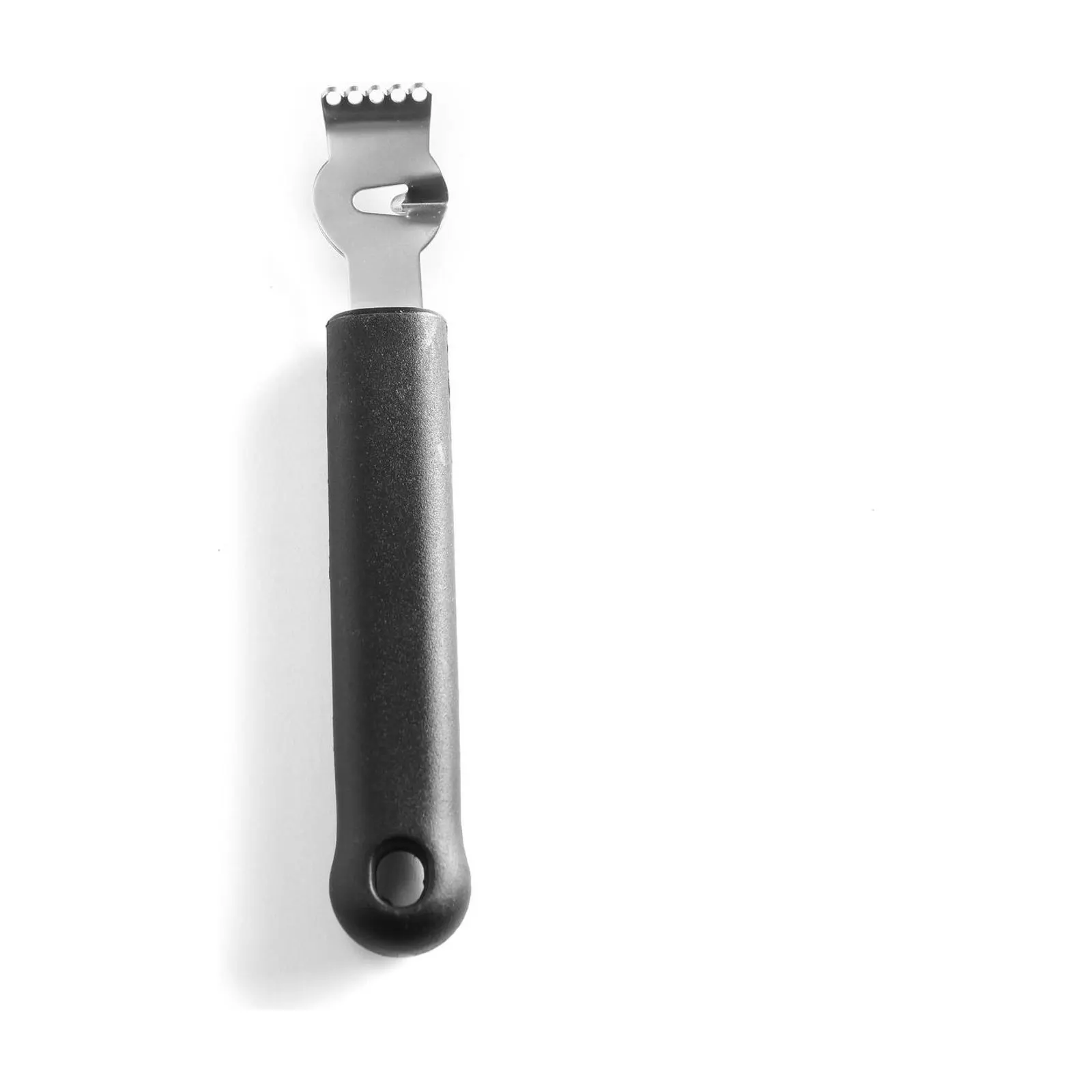
Juice squeezed to order, peel cut cleanly, garnish placed to the millimetre. Lever citrus presses, squeezers, peelers, knives and boards: the prep station you can taste.
-
 Citrus PressesAdd
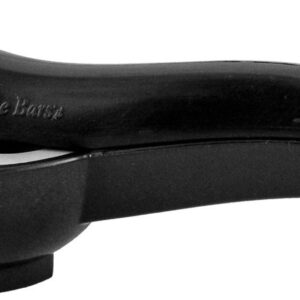
PRO Lime Squeezer, Black and Grey Reinforced Plastic, 173g
Original price was: 17,00 €.11,90 €Current price is: 11,90 €. ex VAT -
 Citrus PressesOptions
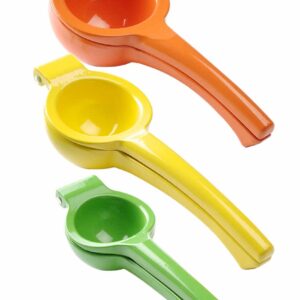
Citrus Squeezer, Powder Coated Aluminium, Three Sizes
Price range: 16,00 € through 19,90 € ex VAT -
 SqueezersAdd
Clear Squeeze Bottle 200ml, Narrow Tip
Original price was: 2,40 €.1,92 €Current price is: 1,92 €. ex VAT -
 SqueezersAdd
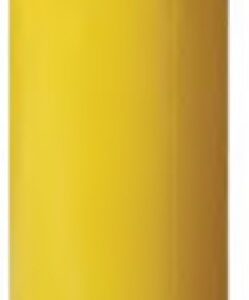
Squeeze Bottle 200ml, Yellow
Original price was: 2,40 €.1,92 €Current price is: 1,92 €. ex VAT -
 Bar EquipmentAdd
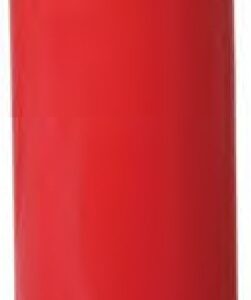
Squeeze Bottle 200ml, Red
Original price was: 2,40 €.1,92 €Current price is: 1,92 €. ex VAT -
Add
-
Add
-
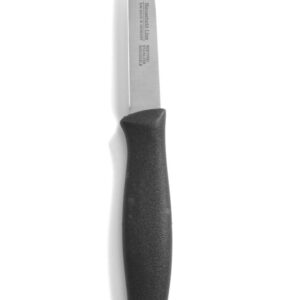 Chopping Boards and KnivesAdd
Paring Knife, Straight Stainless Steel Blade, Black Handle, 22cm
7,10 € ex VAT -
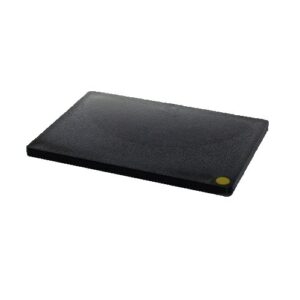 Bar ToolsAdd
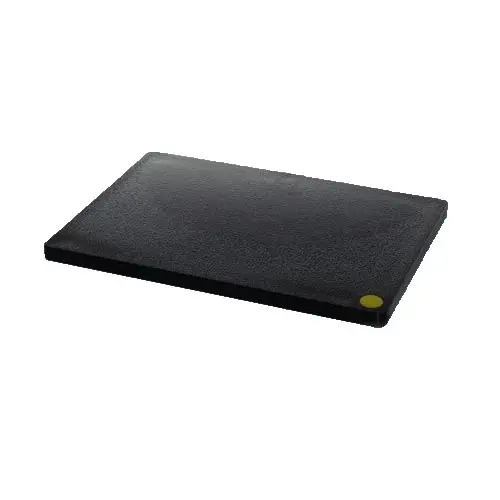
Black Bar Cutting Board 33 x 23cm, Polyethylene
Original price was: 21,00 €.16,80 €Current price is: 16,80 €. ex VAT -
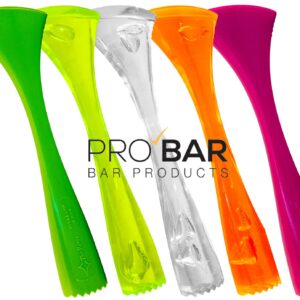 MuddlersOptions
Muddler 21cm, Ergonomic, Toothed Head, Polycarbonate
Price range: 3,90 € through 9,90 € ex VAT -
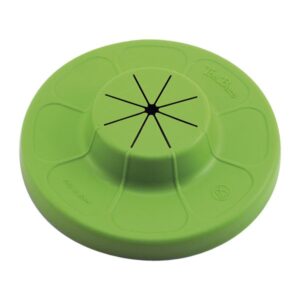 Bar SpoonsAdd
Mojito Cover 9.5cm, Lime Green Polycarbonate
Original price was: 4,00 €.2,80 €Current price is: 2,80 €. ex VAT -
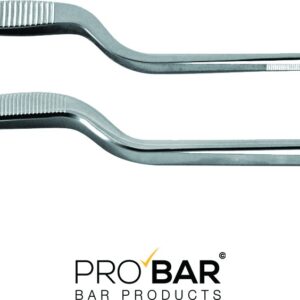 TongsOptions
Garnish Tongs, Curved Tips, Stainless Steel, 16 or 21cm
Price range: 9,90 € through 11,90 € ex VAT



The invisible ingredient
Ice
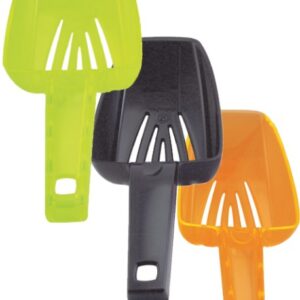
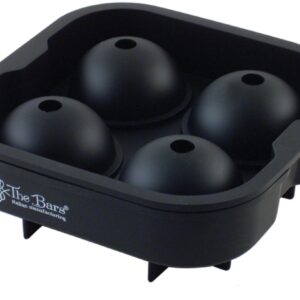
Ice is half the cocktail. Scoops, tongs and moulds for cubes and spheres: handling it with the right tools means controlled dilution and drinks served at the right temperature.
-
Options
-
 TongsAdd
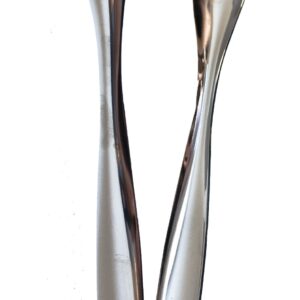
Ice Tongs 180mm, Stainless Steel, Clawed Tips
Original price was: 9,00 €.7,20 €Current price is: 7,20 €. ex VAT -
 Ice AccessoriesAdd
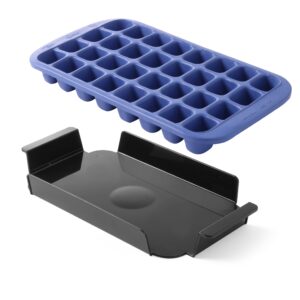
Ice Cube Tray, 32 Cubes, Silicone with Rigid Frame
Original price was: 34,00 €.27,20 €Current price is: 27,20 €. ex VAT -
Add
Order under pressure
The station
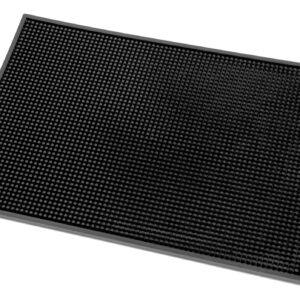
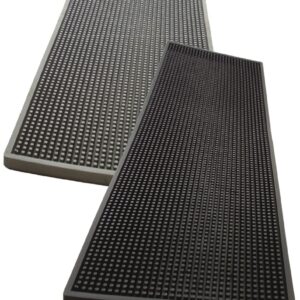
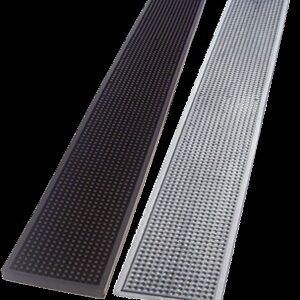
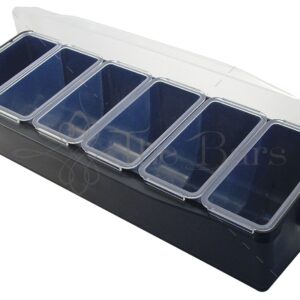
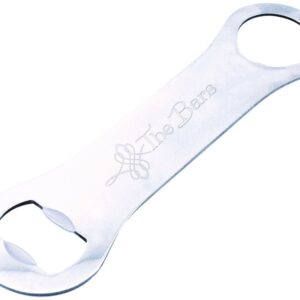
Under pressure, whoever has everything within reach comes out ahead. Bar mats, service mats, condiment holders, organisers and bottle openers: an organised station that saves you seconds on every round.
-
 Back Bar EquipmentAdd
Bar Service Mat 45 x 30cm, Rubber, Raised Edge
Original price was: 22,00 €.15,40 €Current price is: 15,40 €. ex VAT -
Options
-
Options
-
 Back Bar EquipmentAdd
Black Bar Condiment Holder, 6 Compartments, 49cm
Original price was: 37,00 €.29,60 €Current price is: 29,60 €. ex VAT -
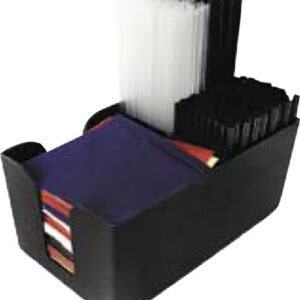 Back Bar EquipmentOptions
Bar Organiser for Straws and Napkins, Plastic, Black or Fuchsia
Original price was: 11,50 €.9,20 €Current price is: 9,20 €. ex VAT -
Add
-
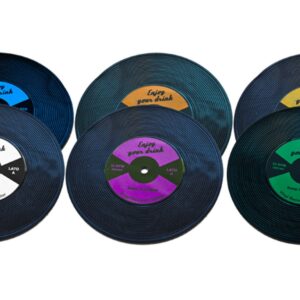 CoastersOptions
Record Coaster 10cm, Natural Rubber, Six Colours
Original price was: 2,10 €.1,47 €Current price is: 1,47 €. ex VAT
Behind the scenes
Prepare, store and take with you
Home-made syrups and infusions, the exact dash of bitters, the flair bottle for practice, the bag that holds the whole kit. The tools that go with the bartender inside and outside the venue.
-
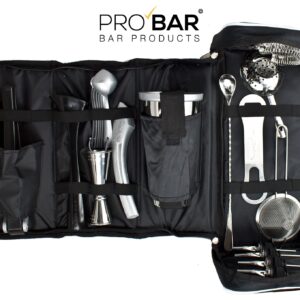 Bartender BagsAdd
Bartender Bag with Kit, Faux Leather, 17 Tools
Original price was: 160,00 €.128,00 €Current price is: 128,00 €. ex VAT -
Add
-
Add
-
Add
-
 Bar ToolsAdd
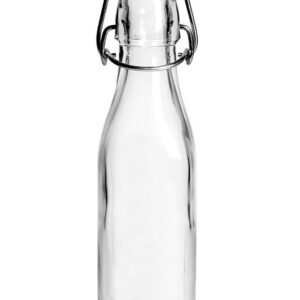
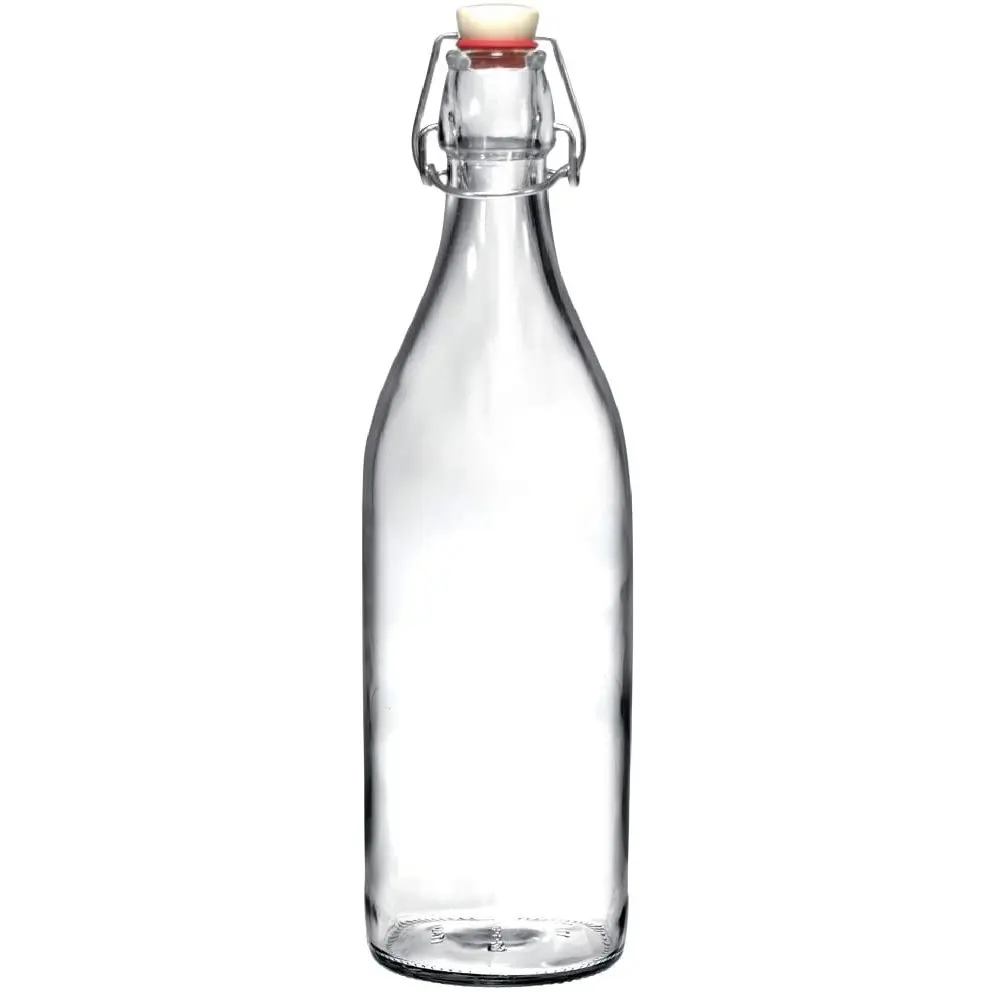
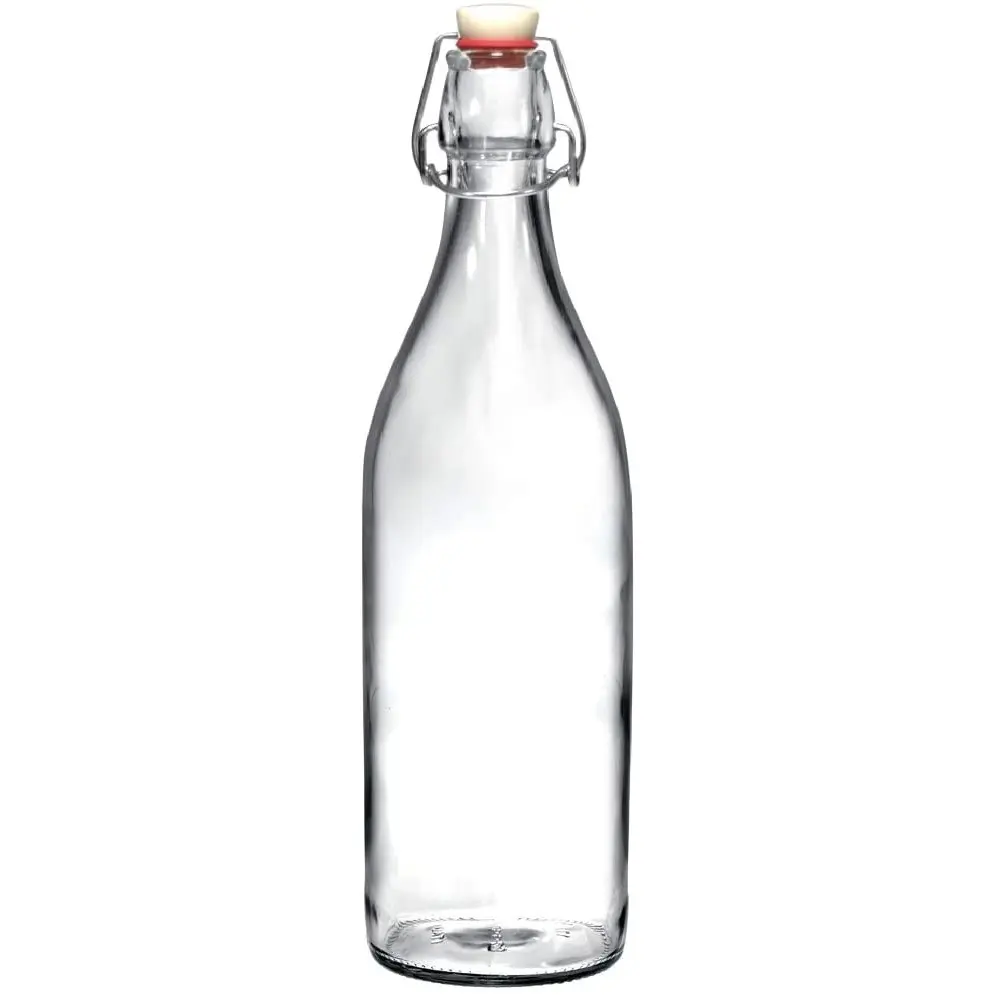
Swing Top Bottle 250ml, Glass, Airtight Seal
Original price was: 5,00 €.3,50 €Current price is: 3,50 €. ex VAT -
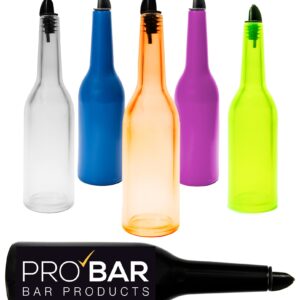 Flair BottlesOptions
Flair Bottle 750ml for Practice, 460g, White or Fuchsia
Price range: 16,20 € through 24,20 € ex VAT
Frequently asked questions
What is the minimum equipment to start working behind the bar?
The core is a few solid tools: a Boston shaker tin with a small tin, a double-cup jigger for measuring, a long bar spoon, a Hawthorne strainer, a mixing glass, a citrus squeezer and a few pourers. With these you can already handle most of the cocktails in a real service. The rest comes as you grow.
Why choose steel and polycarbonate for a first venue?
They are the materials for heavy use: stainless steel does not hold odours, resists corrosion from citrus and bitters and survives drops and a fast pace; polycarbonate is light, shatterproof and safe at volume. They are not the 'budget' choice, they are the reliable choice: workhorse tools that last for years and don't let you down at the worst moment.
How do I put together my first bartender kit without spending a fortune?
Start from the functions, not the names: one tool for measuring, one for shaking, one for stirring, one for straining, one for citrus, one for ice. Choose sturdy, versatile pieces rather than luxury duplicates. The bartender bag with kit covers the core in one go; then you add family by family, following the drinks you actually serve.
Are the 'Essentials' tools suitable for heavy professional use too?
Yes. 'Essentials' does not mean basic: it means core. They are the same solid tools professionals keep in their workhorse kit, from the local bar to the hotel, precisely because they are reliable and plain. The difference from high-end equipment is the look and the finish, not how they hold up at work.
Is a Boston shaker or a three-piece shaker better to start with?
For work behind the bar the Boston (two parts, tin-on-tin or tin-on-glass) is the standard: faster, larger, easier to clean and to open with one clean tap. The weighted version, with the heavier base, gives an even more controlled shake. The three-piece remains handy at home and for complete beginners.
How often do these tools need replacing?
Looked after properly, stainless steel tools last for years: no harsh dishwasher cycles on strainer springs, dry them after contact with citrus, don't leave tools soaking. Polycarbonate only needs replacing when it turns cloudy or gets worn. This is equipment made to stay with you for a long time, not to be thrown away.
Where a cocktail bar starts
If you are opening a venue, these are the departments to build your kit from: from the bar counter to glassware, through to the mixing tools you will work with every night. And if you want to start from a ready-made base, look at the three kits of the Virtual Bar Station.
Categories and guides to explore
Not sure where to start?
Tell us what venue you are opening and how you work: we will help you put together the core kit to suit you, with no unnecessary spending.
Message us on WhatsApp