

The citrus peeler in two lines
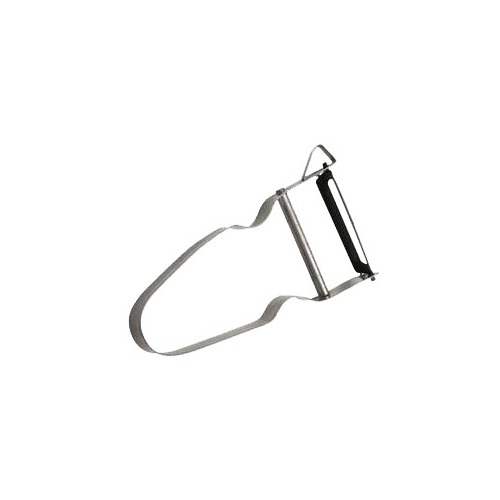
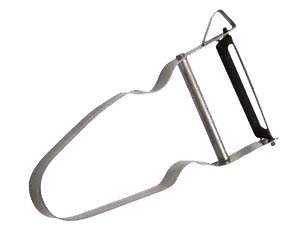
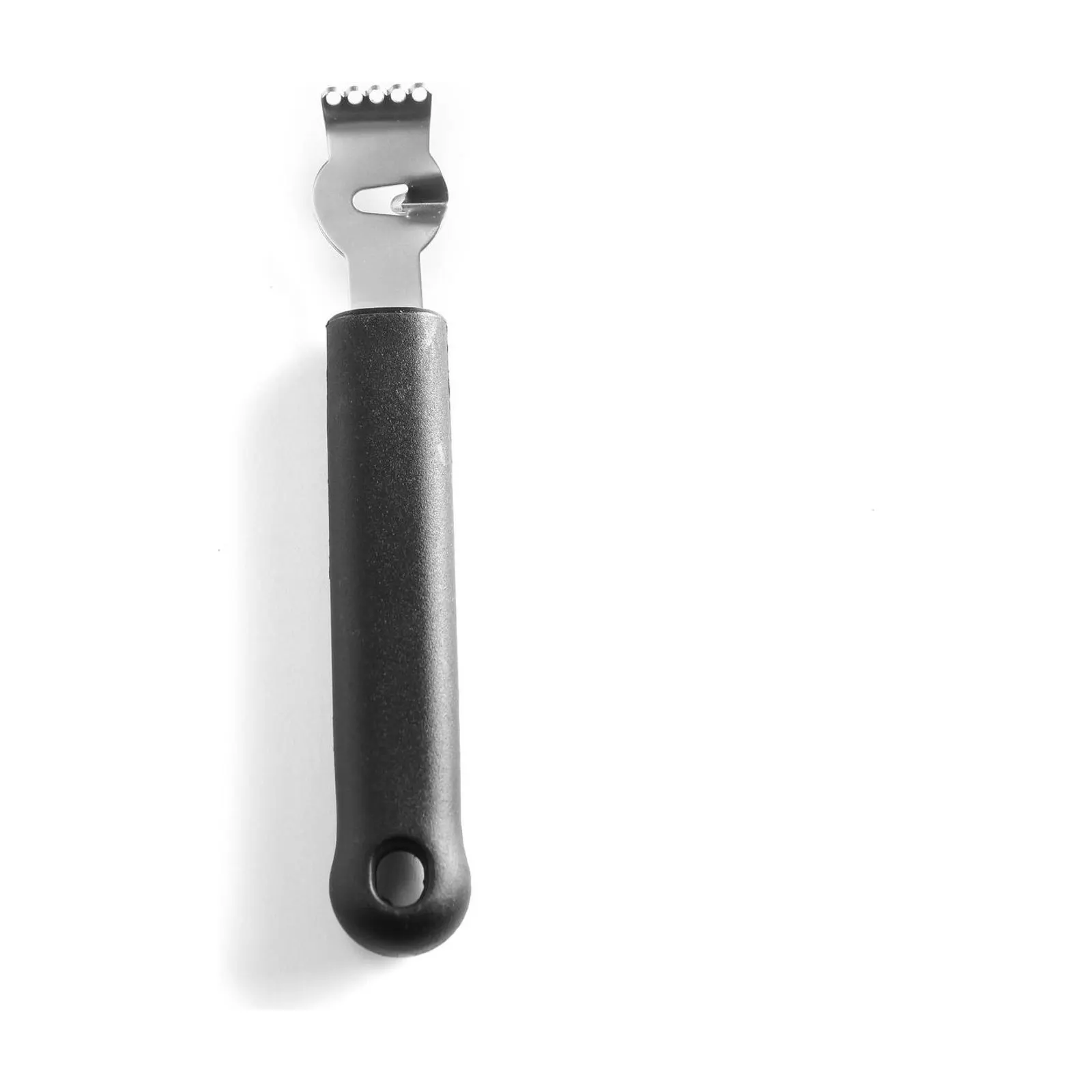
This citrus peeler has a stainless steel blade and takes off a wide strip of peel only, which is the right shape for expressing the essential oil over the drink.
Who it is for
For bars that garnish with a twist rather than a wheel. A wheel is only seen; a wide piece of peel folds, sprays and changes what the guest smells as the glass comes up.
The twist is an ingredient, not a decoration
Folding the peel over the glass sprays a fine mist of essential oil onto the surface of the drink, and that is the first aroma to reach the nose, before the first sip. On an Old Fashioned or a Martini it changes the drink more than half a millilitre of any other ingredient would. A citrus peeler exists for exactly this: to give you the surface of peel the oil comes out of.


Specifications
- Blade: stainless steel
- Use: orange and lemon peels and twists
- Dimensions: 11.5 x 7.5 x 1.5cm
- Weight: 20g
What it takes to work
A peel with almost no pith, the white layer under the skin. Pith is bitter and holds no oil, so a thick peel gives bitterness without aroma. It is the most common mistake, and it shows at once: the back of the strip looks white instead of yellow or orange. The blade is set for the top layer, but the pressure is down to the hand.
Peeler or zester
They make two different garnishes, not two ways of making the same one. The citrus peeler makes wide strips for expressing; the zester makes thin threads to drop into the drink or curl on the rim, which release little oil and are there for the eye. A bar that takes its menu seriously keeps both, because some drinks call for the aroma and others for the shape.
How to express a twist
Peel between thumb and forefinger, coloured side towards the glass, about ten centimetres above the surface. Fold it sharply in half: the oil comes out as a fine mist you can see against the light. Then run the coloured side round the rim and set the peel in the drink or on the rim, depending on the serve. Too close and you leave visible drops on the surface; too far and nothing reaches the drink.
Which fruit takes the cut
Citrus with thick, firm skin: oranges, lemons, grapefruit. Lime has a thin skin that clings to the fruit, so a wide strip comes out badly and nearly always brings pith with it; for lime a thin cut makes more sense. Keep the fruit in the fridge until you need it, because cold skin comes away more cleanly.
Care
Rinse and dry straight after use. Citrus oils leave a sticky film that dries on the blade, and from then on it tears the peel instead of gliding. When a peeler starts making ragged strips, this is nearly always the reason, not a dull edge.
FAQ
What is a citrus peeler for? Taking wide strips of peel from oranges and lemons for the twist.
How does it differ from a zester? The peeler makes wide peels for expressing, the zester thin threads to put in the drink.
Why does a twist change the drink? The essential oil sprayed on the surface is the first aroma to reach the nose.
How do I avoid bitterness? Take only the top layer: the white pith is bitter and holds no oil.
Does it work on limes? Less well: the skin is thin and clings, and a wide strip brings the pith with it.
The more you buy, the less you pay: 4 pieces -5%, 6 -7%, 8 -10%, on the same item.
Dispatched from Rome, Italy. 15-day returns, free of charge. Questions before you order? Message us on WhatsApp on +39 351 929 6937.
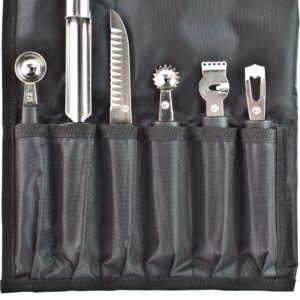
The other cutting tools are in the chopping boards and knives category.






Reviews
There are no reviews yet.