

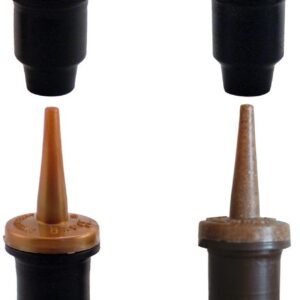
The plastic pourers in two lines
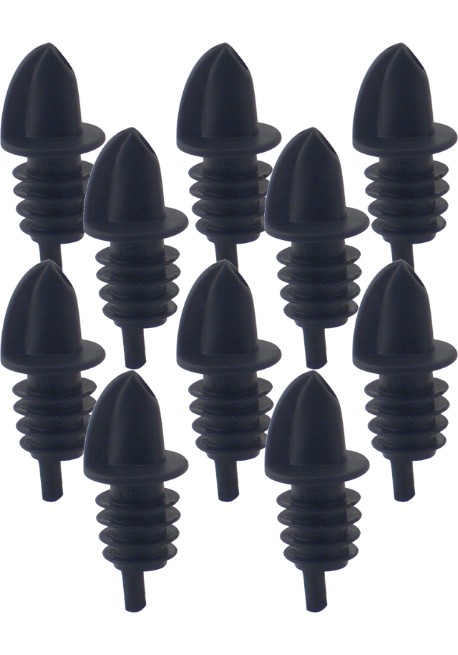
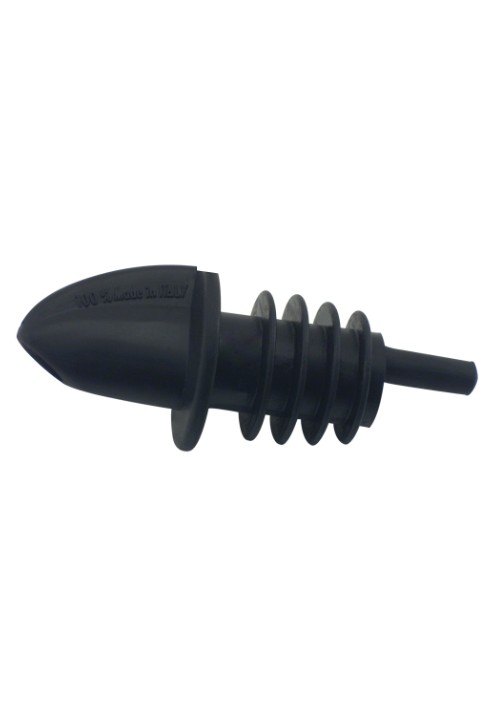
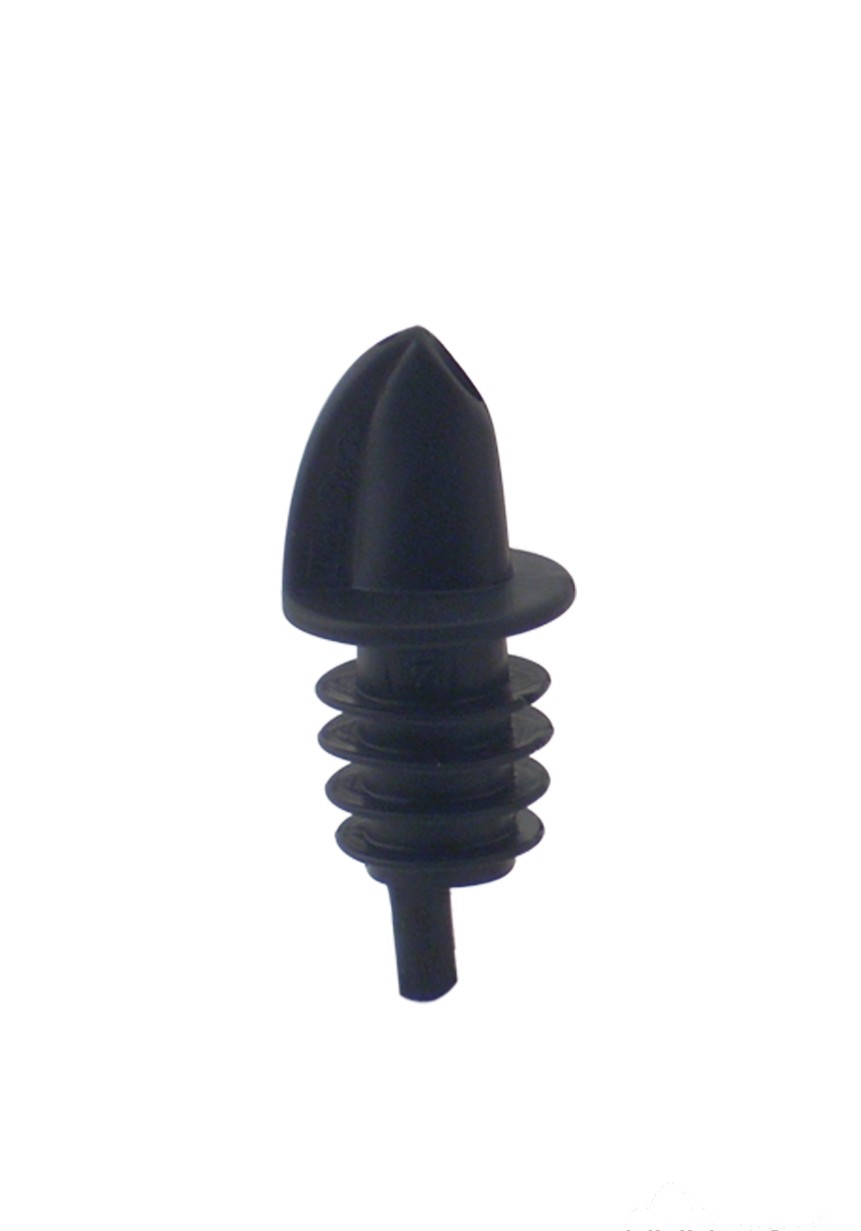
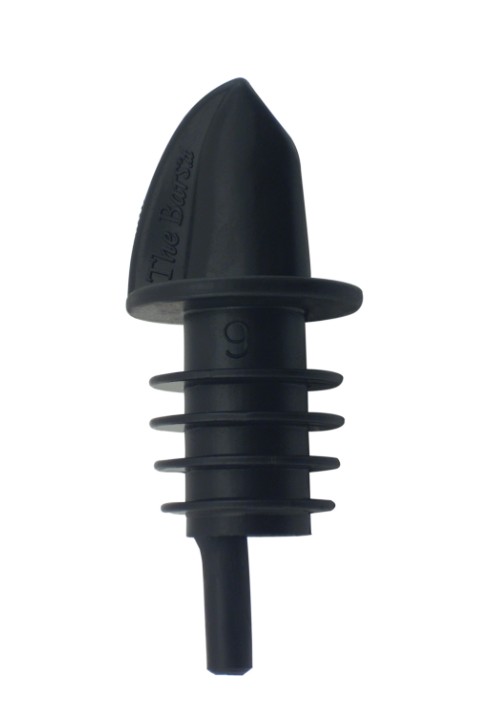
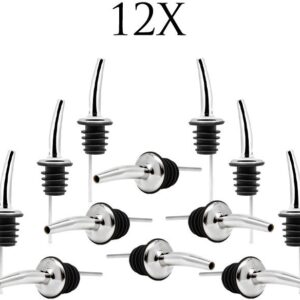
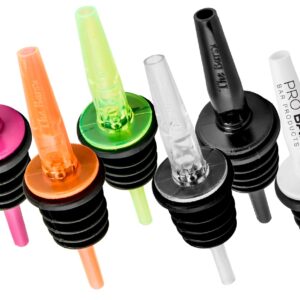
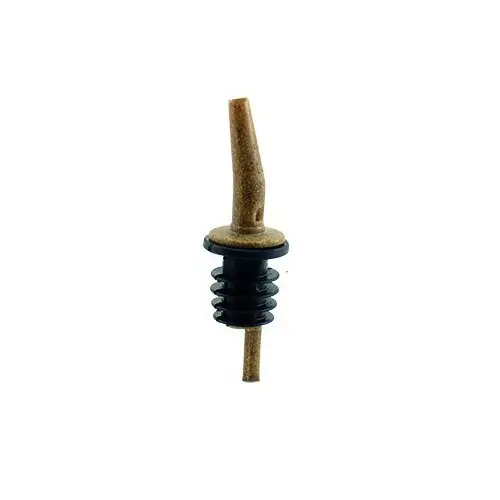
Plastic pourers in a pack of twelve: pour spouts whose natural home is the flair bottle, the one that gets thrown.
Who they are for
For anyone training in flair. In training bottles hit the floor, and whatever is fitted to them hits the floor too: a metal pourer bends on the first landing, a plastic one costs a fraction and gets swapped without a second thought.
Said plainly: these are not measuring pourers
Even used properly, a plastic pourer will not let you pour an exact quantity. The internal wall does not have the regularity of a metal or machined polycarbonate spout, so the flow rate varies and the count does not hold. That is why they live in training and in flair competition, where the movement is what counts, and not in service, where the measure is what counts.


Specifications
- Material: plastic
- Use: flair bottles, training and competition
- Pack quantity: 12 pieces
- Box size: 10 x 16 x 3cm
- Weight: 0.1kg
Why training still needs a pourer fitted
Because it changes the weight and the balance of the bottle. A bottle with a spout in the neck turns differently from a bare one, and anyone who trains without finds the movement stops working when the competition comes. That is exactly what plastic pourers are for: reproducing the real condition at almost no cost, without risking the good spouts.
Twelve pieces, and why that is not many
Daily training goes through them. They scratch, they deform on impact and every so often they split at the point where the bottle lands: they are a consumable, like vacuum bags or straws. A pack of twelve covers a serious block of training, not a whole season.
What a beginner trains with
Empty flair bottles, or bottles filled to a third with water, a plastic pourer fitted and a mat underneath. The water matters because an empty bottle turns too fast and teaches the wrong movement; a third full is the closest condition to service. The spout completes the picture, because it moves the centre of gravity upwards and that is what decides how many turns the bottle makes before it comes back to the hand.
The difference from service pourers
It is all in the purpose. A service pourer is a measuring instrument, so it is judged on how steady the flow is and on how well the rubber holds. A plastic pourer is a sacrificial part that only has to stay put while the bottle flies: it is judged on cost and on how easily it is replaced. Confusing the two is what leads to pouring badly in service without understanding why.
Care
Rinse after use, as with anything that goes into the neck of a bottle, and replace as soon as cracks appear. Training is often done with coloured water rather than spirit, and then a rinse is enough; with anything sugary the general rule applies, which is a soak in warm water, because the residue dries on the inside.
FAQ
Are plastic pourers accurate? No, and they are not meant to be: they are for flair training and competition.
How many are in the pack? Twelve.
Can they be used in service? Better not: the flow rate is not steady and the count does not hold.
Why not train without a pourer? Because it changes the weight and balance of the bottle, so the movement you learn does not transfer.
How long do they last? They are a consumable: replace them as soon as they deform or crack.
The more you buy, the less you pay: 4 pieces -5%, 6 -7%, 8 -10%, on the same item.
Dispatched from Rome, Italy. 15-day returns, free of charge. Questions before you order? Message us on WhatsApp on +39 351 929 6937.
The other pourers are in the metal and plastic pourers category.

Reviews
There are no reviews yet.