
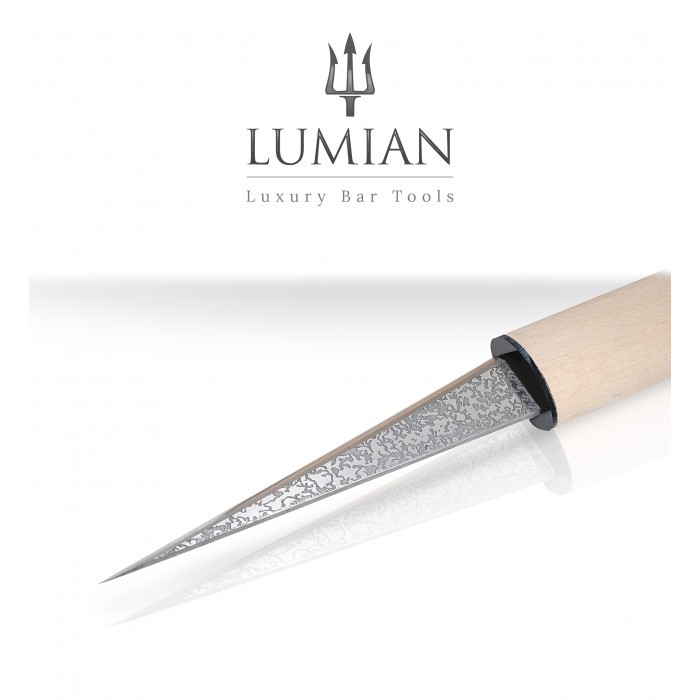

The ice knife in two lines
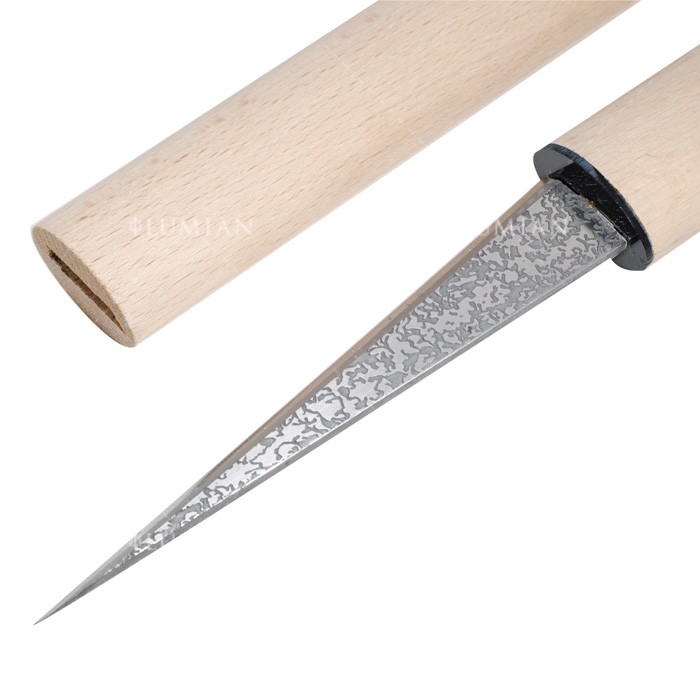
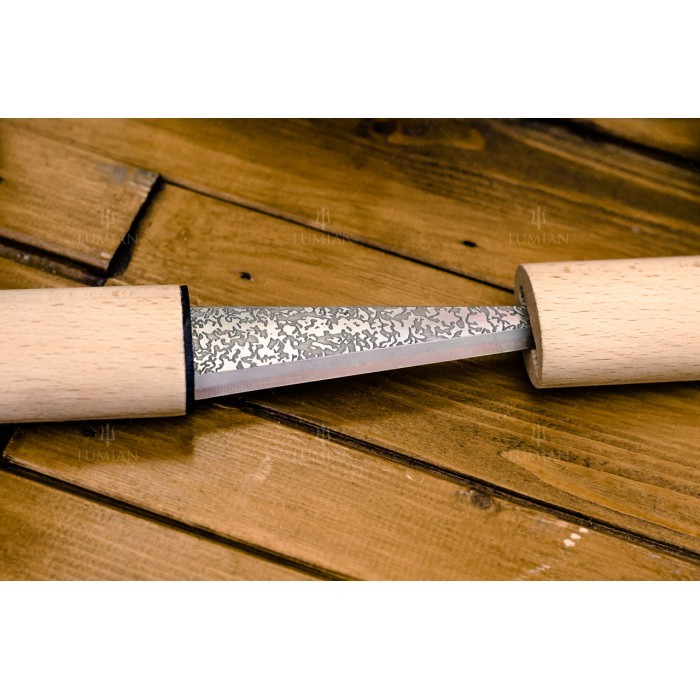
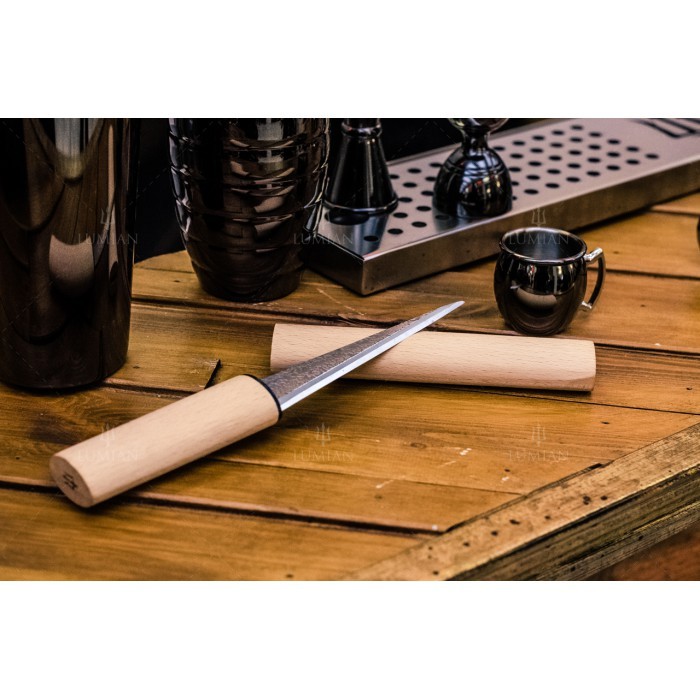
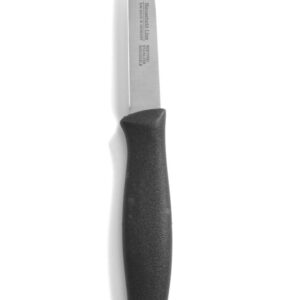
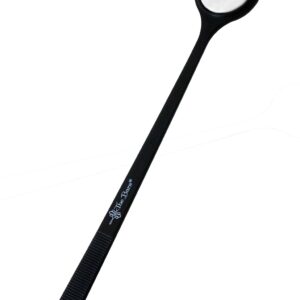
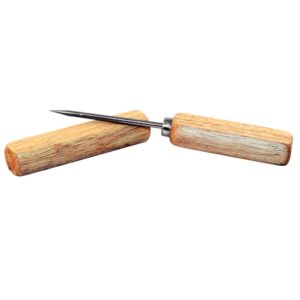
This is the Japanese made ice knife: it is used to carve, meaning to chip and then face the pieces already broken off the block, giving them their final shape.
Who it is for
For bars cutting their ice by hand from a large block. It is the step after the ice pick: that opens the block, this faces the piece and gives it its final form, whether a clean cube or a carved sphere.
It is a positioning decision before it is a tool
A hand carved cube reads differently from a moulded one, and it reads at a glance: the edges are sharp instead of rounded, the surface is clear because it comes from the heart of the block where the air never reached, and the faces are slightly irregular, which the guest reads as human work. The ice knife is for venues that have decided to show that work, not for anyone who just wants cold pieces to put in a glass.


Specifications
- Make: Japanese
- Use: chipping and facing pieces of ice
- Place in the process: after the ice pick, before service
Two movements, and they are different
The first is chipping: the blade is set on an edge and struck or pressed to take material away in flakes, bringing the piece towards the shape you want. The second is facing, done by drawing the blade flat across the surface to smooth it: that is what makes the cube clear and the faces flat. Skip the second and you get a piece with the right shape but dull, and the effect is of a broken cube rather than a cut one.
The right ice to carve
It has to be tempered, meaning left out of the freezer for a few minutes before working it. A block straight out at very low temperature is brittle and cracks unpredictably under the blade; let it come up a few degrees and it turns slightly plastic and takes the cut instead of splitting. That is the step that separates anyone who has learned from anyone improvising, and it costs nothing but two minutes of waiting.
Safety, which counts more here than elsewhere
You are working on a slippery surface with a blade, and ice moves when it gives. Hold the piece with a cloth and not with a bare hand, always push the blade away from the body, and keep the surface stable and at the right height. The ice knife is a tool to use calmly: speed here does nothing, because the time is won in preparing ahead, not in the single piece.
Care
Dry completely after every use and store it in a sheath or with the edge protected. Wet steel left in the air pits, and a blunt edge on a tool like this is not only awkward: it makes you force it, and forcing on a slippery surface is how accidents happen.
FAQ
What is the ice knife for? Chipping and facing pieces already broken off the block, giving them their final shape.
Do you need an ice pick as well? Yes, it comes first: it opens the block and gets the rough piece out.
Can ice be worked straight out of the freezer? No, it wants tempering for a few minutes or it cracks.
What is the visible difference from a moulded cube? Sharp edges, a clear surface and flat faces.
How is it stored? Dry, with the edge protected.
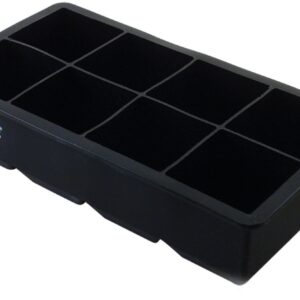
The other ice working tools are in the ice accessories category.




Reviews
There are no reviews yet.