
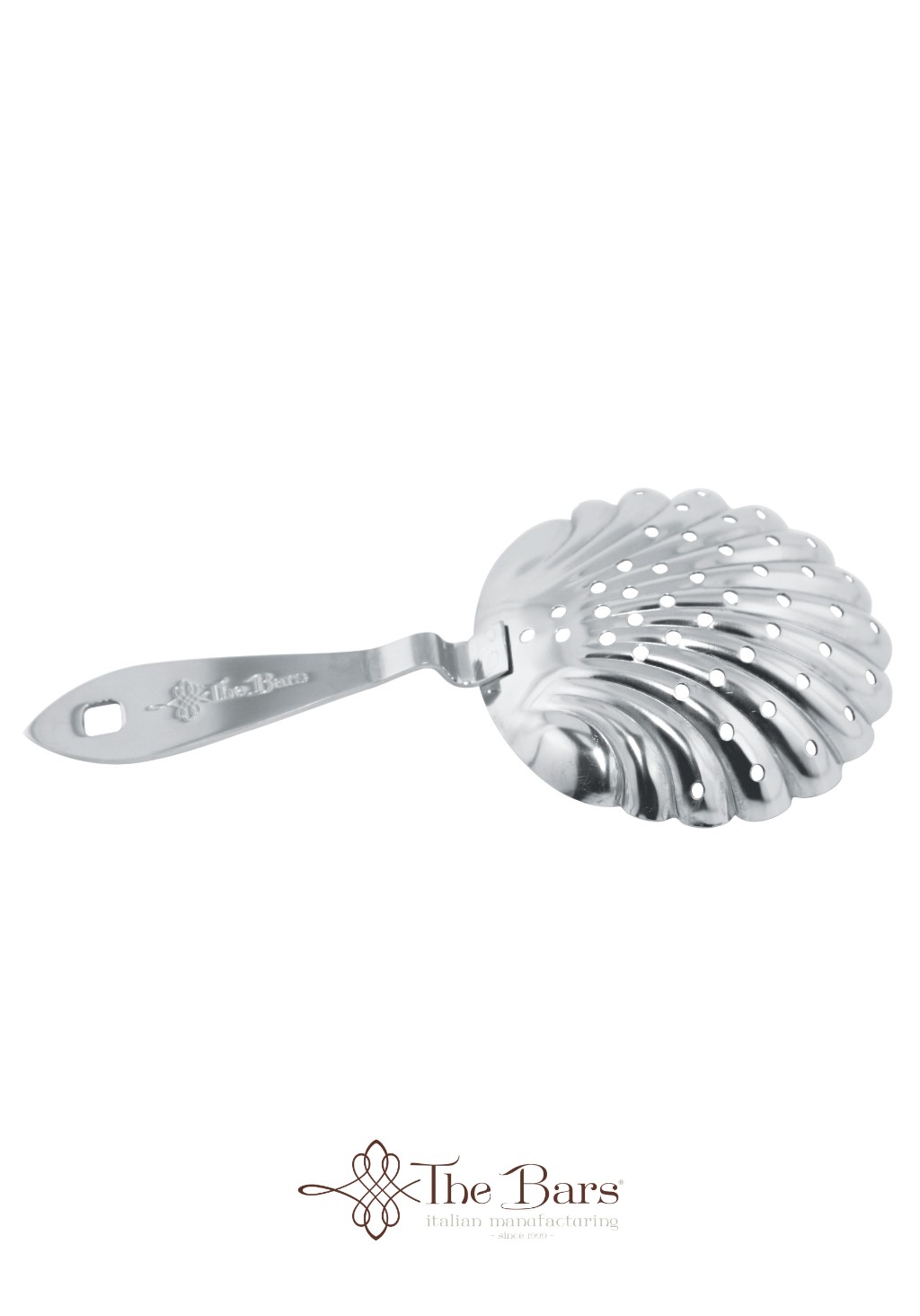

The shell julep strainer in two lines
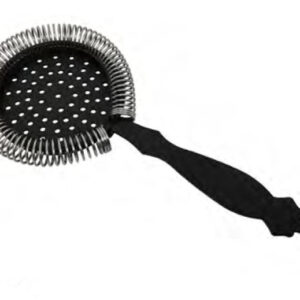
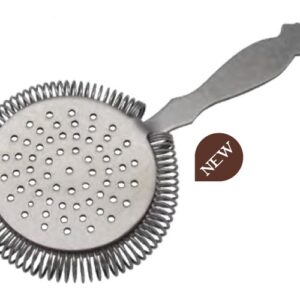
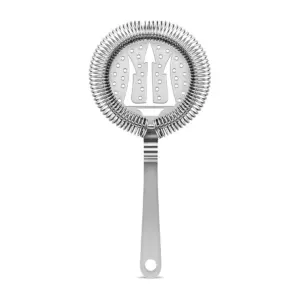
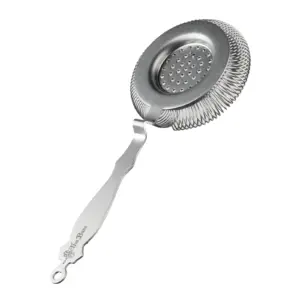
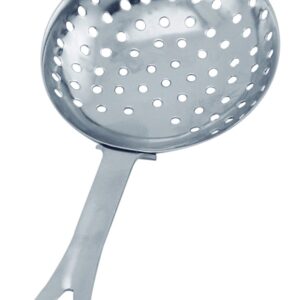
This is the julep with the fan shaped bowl and its ribs, the drawing this tool started from before it was simplified. Stainless steel.
Who it is for
For anyone after the julep in its original form. It is the strainer you see in the illustrations of nineteenth century bar manuals, when the mint julep was the drink reputations were built on, and the ribbed bowl is its signature.
It works like any julep
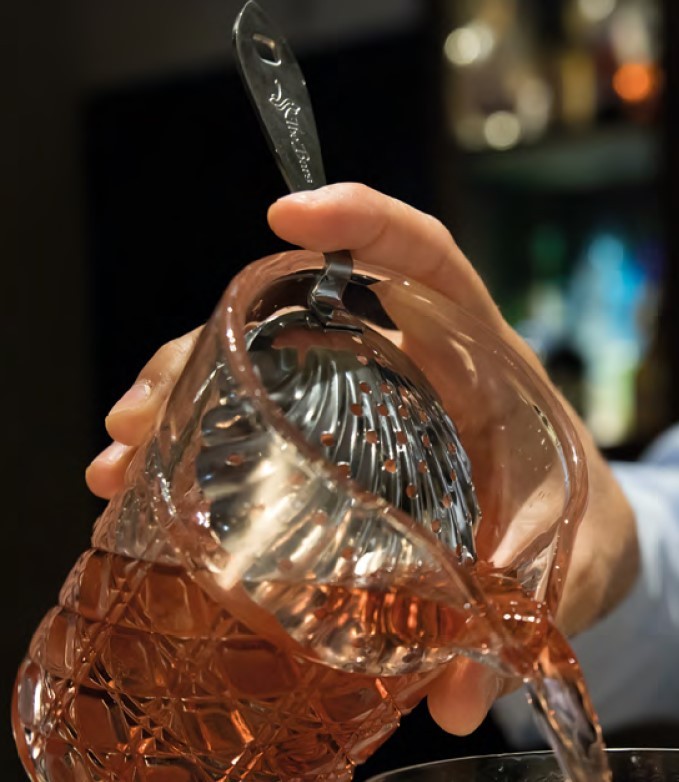
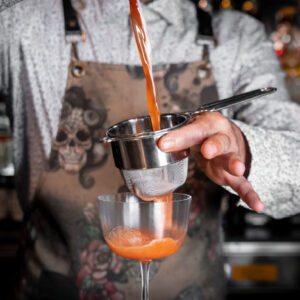
Inside the mixing glass, domed side down on the ice, thumb on the handle, and you pour. It holds the cubes back without stirring the mix again, which is what stirred drinks need: clarity is built over thirty seconds of spoon work and can be lost in half a second of careless straining. The shell julep strainer does not change the gesture, it changes the piece in your hand.


The ribs are not decoration
They stiffen the bowl. On a thin julep that is exactly the weak point: the bowl buckles under thumb pressure and in time it creases, and a creased bowl no longer sits evenly on the ice. Fan ribs spread the load along radii instead of concentrating it at the middle, which is the same principle as the flutes on a sheet of metal.
Specifications
- Material: stainless steel
- Bowl: domed, with fan ribs
- Use: straining stirred drinks
- Position: inside the glass, on the ice
- Dishwasher safe: yes
Where this drawing comes from
From the mint julep, the drink that gave the tool its name. It is served packed with crushed ice and mint, and pouring it needed something that would hold all that material back while staying inside the metal cup: hence the wide domed bowl, which rests on the ice rather than on the rim. When stirring in a mixing glass became the norm the shape stayed, because it worked, and this is the version closest to the original.
The strainer for a classics list
It belongs where the rest of the story holds together: period glassware, a drink list built on historic recipes, a bar that does not hide its tools. In that setting a shell julep strainer adds a line to the story the venue is already telling; on a contemporary station it reads out of tune, and the plain version is the better buy.
Care
Bare stainless steel, so the dishwasher is fine. The extra attention goes to the ribs: syrup residue settles between one flute and the next more than it does on a plain bowl, so a pass under hot water straight after service is worth more than waiting for the cycle. Hold the holes up to the light now and then.
FAQ
What shape is the bowl? Domed, with ribs opening out like a fan, the historic drawing of the tool.
Do the ribs do anything? Yes, they stiffen the bowl, which is where a thin julep creases.
Is it used like other juleps? Yes: inside the glass, on the ice, thumb on the handle.
Can it go in the dishwasher? Yes, though rinsing the ribs straight after syrups is worth the moment.
Does it work for shaken drinks? Only when moving liquid between tins: for the glass you want a hawthorne.
Is it more fragile than a plain julep? The opposite: the ribs stiffen the bowl, which on thin models is where the creases start.
The more you buy, the less you pay: 4 pieces -5%, 6 -7%, 8 -10%, on the same item.
Dispatched from Rome, Italy. 15-day returns, free of charge. Questions before you order? Message us on WhatsApp on +39 351 929 6937.
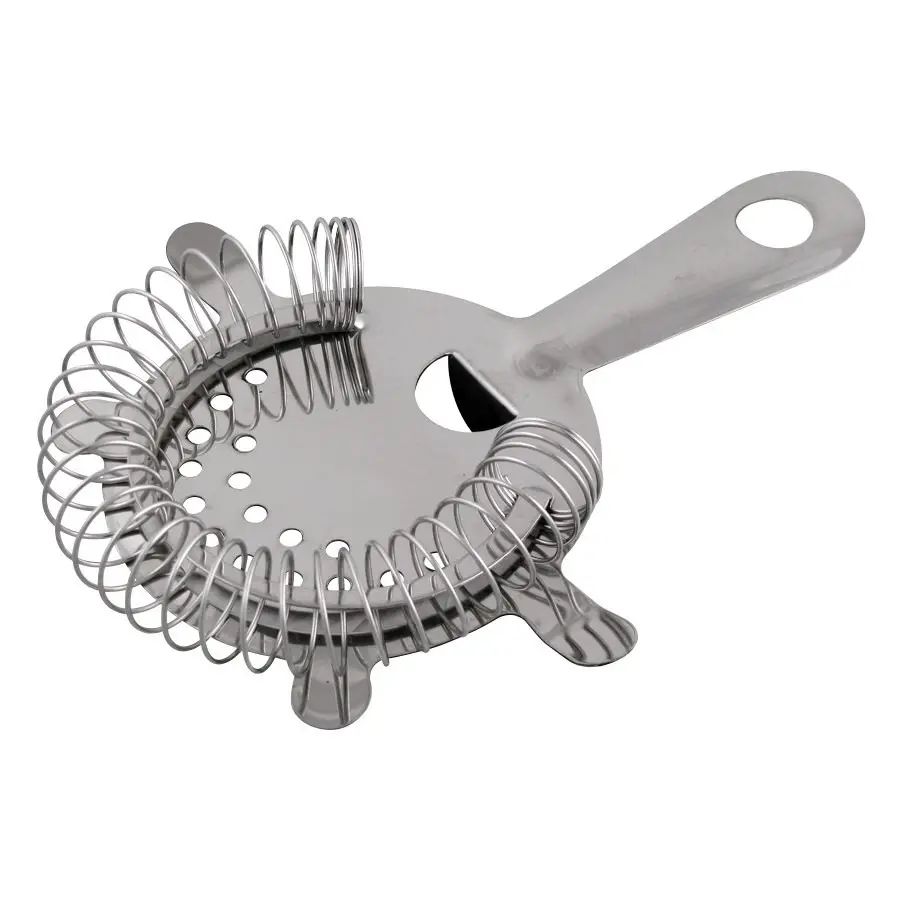
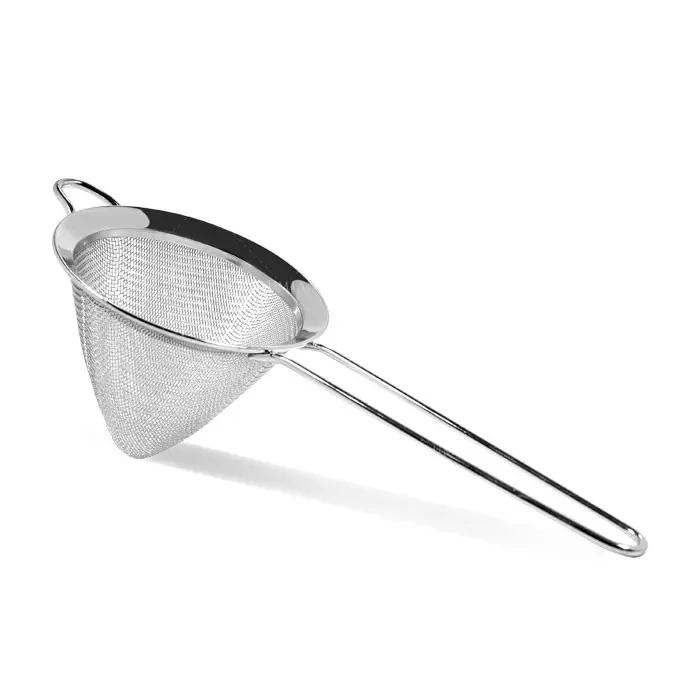
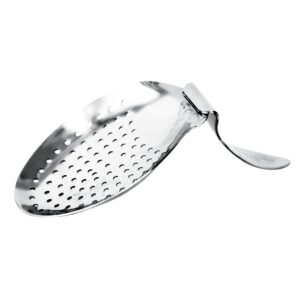
The comparison between the three strainers is in the strainers category.



Reviews
There are no reviews yet.