

The curved paring knife in two lines
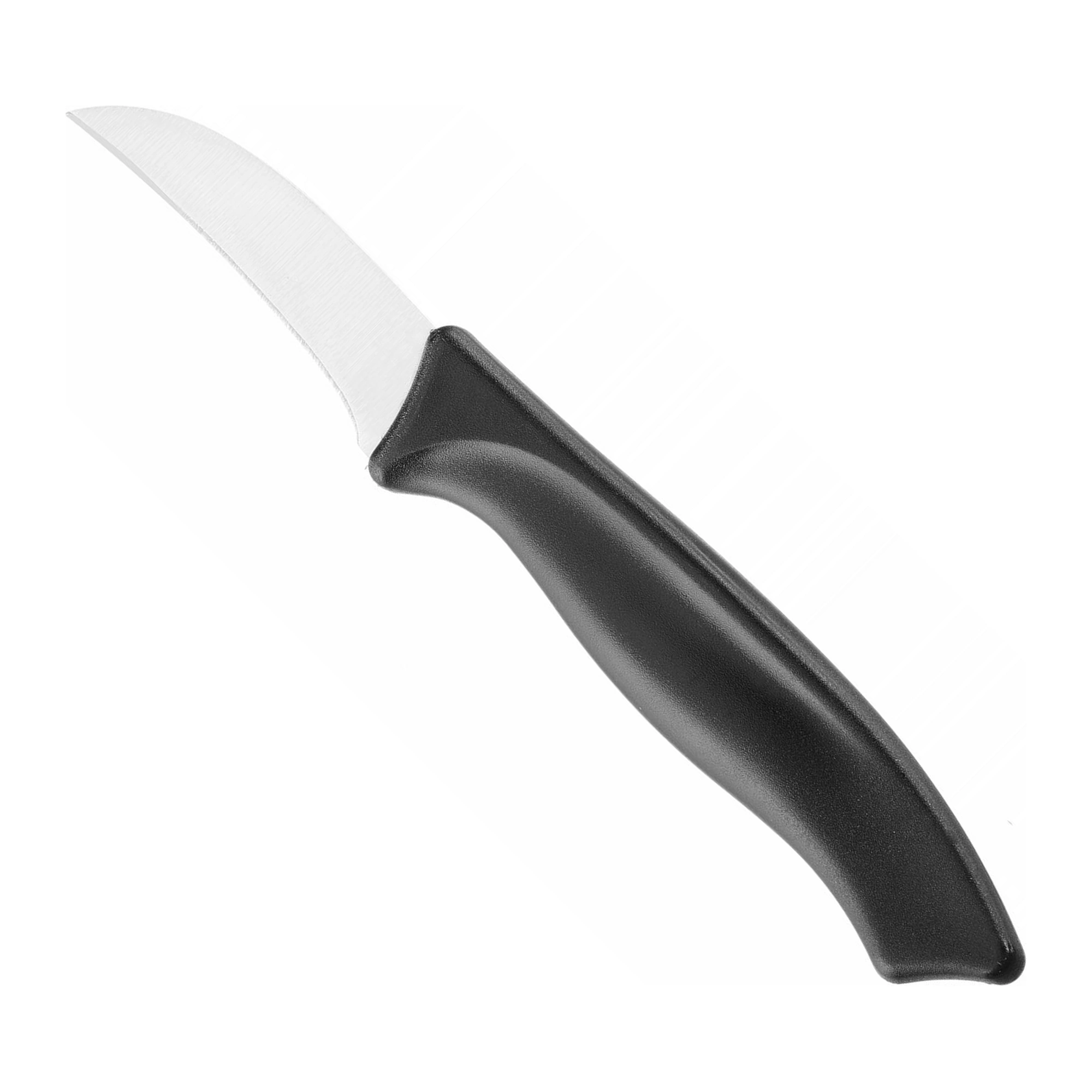
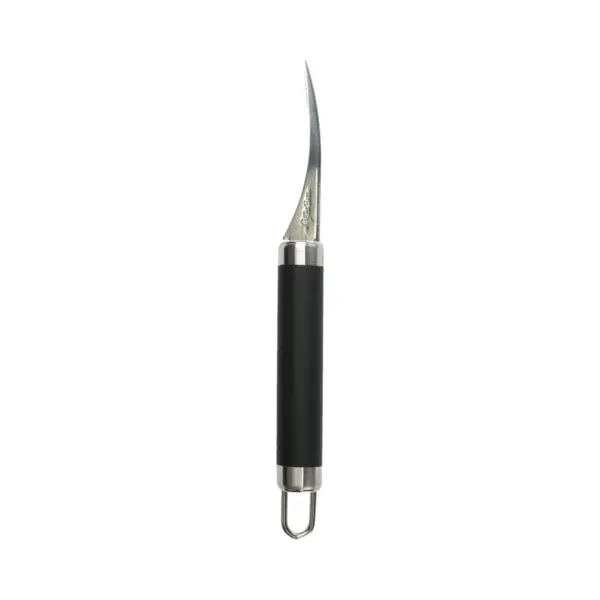
The curved paring knife is the small knife with the blade bent downwards, known in the kitchen as a bird’s beak or tourne knife. The blade is 6cm long, in German X50CrMoV15 stainless steel 1.3mm thick, and the black polypropylene handle is 11cm: 17cm overall. It is dishwasher safe.
Who the curved paring knife is for
For whoever prepares the fruit for the night during mise en place: peels for a twist, citrus wheels, the garnishes that sit on the rim of the glass. A straight blade cuts against the board; a curved blade works in the hand, on the fruit, and the tip follows the round of the lemon or orange instead of leaving it.
The difference shows on the peel. A straight blade on a curved surface takes too little or too much, and with too much comes the pith, the white, bitter layer you can taste in the drink. The curved blade stays at the same depth all the way round.
Why the blade is curved
The beak profile was made for turning vegetables, that is, giving them a regular shape by rotating them in the hand. At the bar it is used for the same reason: the citrus in the left hand, the knife in the right, and the fruit turned against the blade. It is the move behind the spiral peel for a Horse’s Neck, the long peel for an Old Fashioned, the curl that rests on the rim of a coupe.
The curved paring knife also handles the small jobs a large knife does badly: taking the pips out of a segment, notching a lime wheel so it sits on the glass, hulling a strawberry, cutting the eyes out of a pineapple.
X50CrMoV15 steel
X50CrMoV15 is the name of the German stainless steel used in many professional kitchen knives: around 0.5% carbon and 15% chromium, with molybdenum and vanadium. The chromium keeps it stainless through a whole evening in contact with lemon and lime; the carbon gives it the edge. A 1.3mm blade is a light knife for work in the hand, not a knife for chopping.
Straight or curved
The catalogue also has the straight paring knife, the same small knife with a flat blade. The straight one cuts on the board: slices, wedges, wheels. The curved paring knife works in the hand: peels, twists, notches. Whoever preps fruit for a bar keeps both at the station, next to the chopping board.
Specifications
- Overall length: 170mm
- Blade: 60mm, curved, X50CrMoV15 stainless steel
- Blade thickness: 1.3mm
- Handle: 110mm, black polypropylene
- Dishwasher safe: yes
- Brand: Hendi, code 842447
- Warranty: 2 years
How many you need
One knife for each station that preps fruit, plus a spare: it is the piece of equipment that goes missing most often, in the sink or in a kitchen drawer. For the whole team, the site rule applies. The more you buy, the less you pay: 4 pieces -5%, 6 -7%, 8 -10%, on the same item. The discount applies automatically in the basket.
Curved paring knife FAQ
What is a curved paring knife for? For working fruit in the hand: peels, twists, notches and garnishes. The beak blade follows the curve of the fruit.
Is it dishwasher safe? Yes, Hendi declares it dishwasher safe. To keep the edge longer, dry it and store it apart from the rest of the bar equipment.
How does it differ from the straight paring knife? The straight one cuts against the board; the curved one works on the fruit held in the hand.
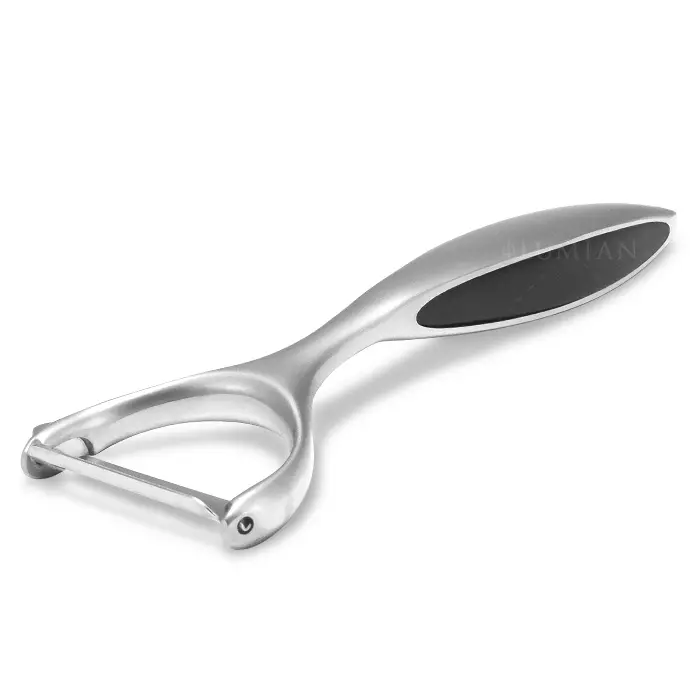
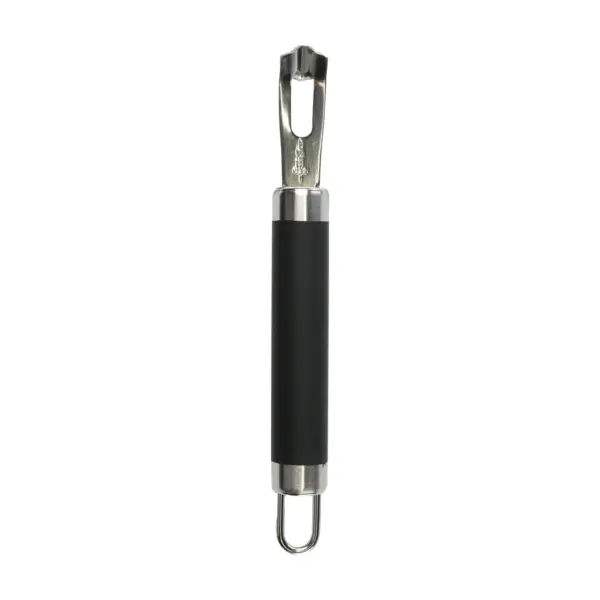
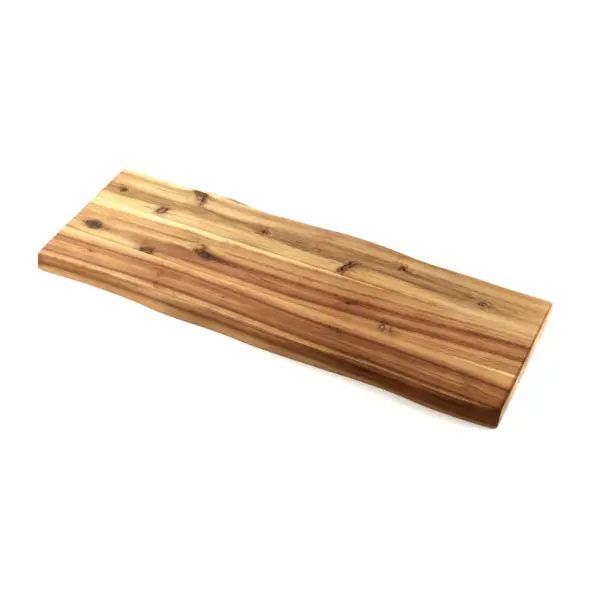
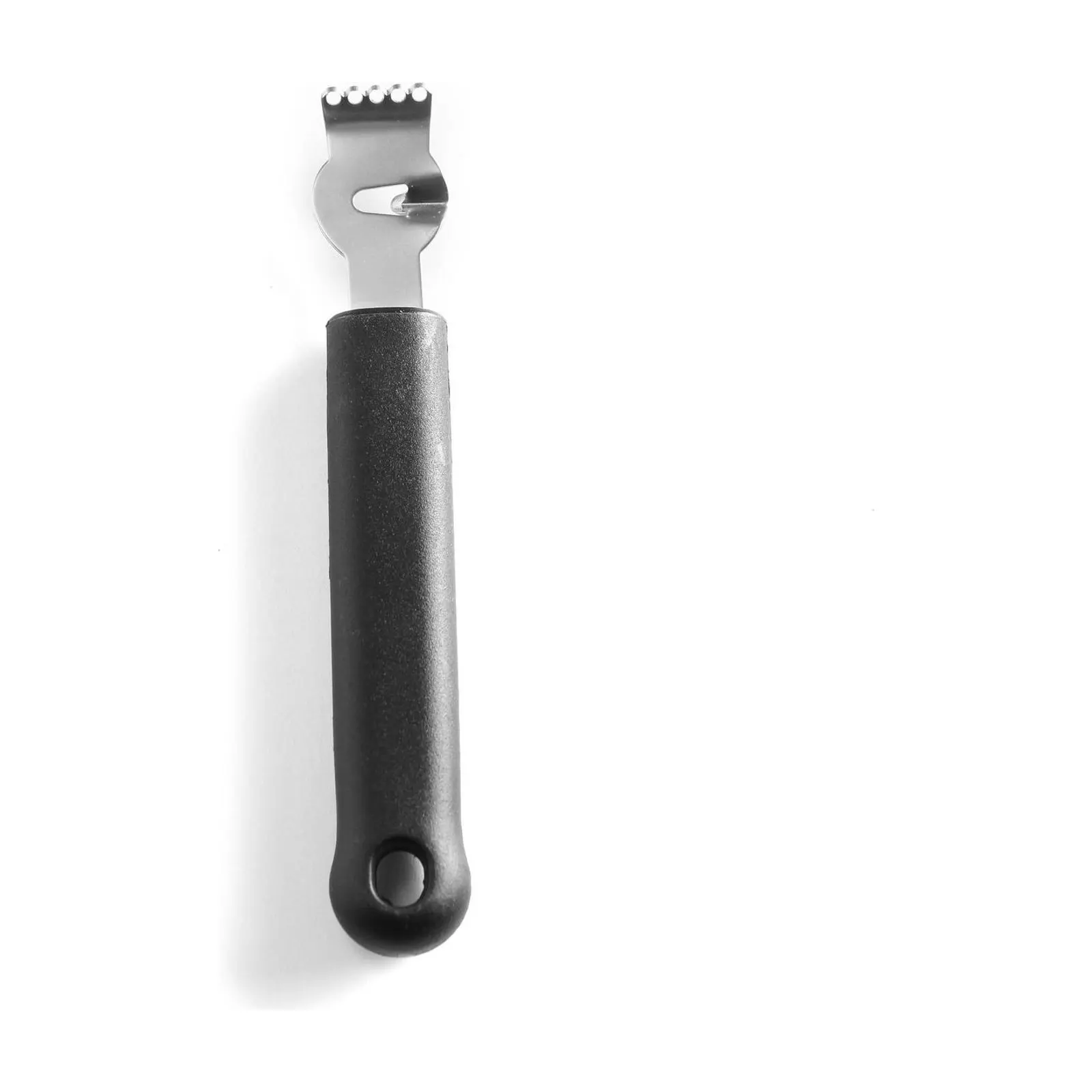
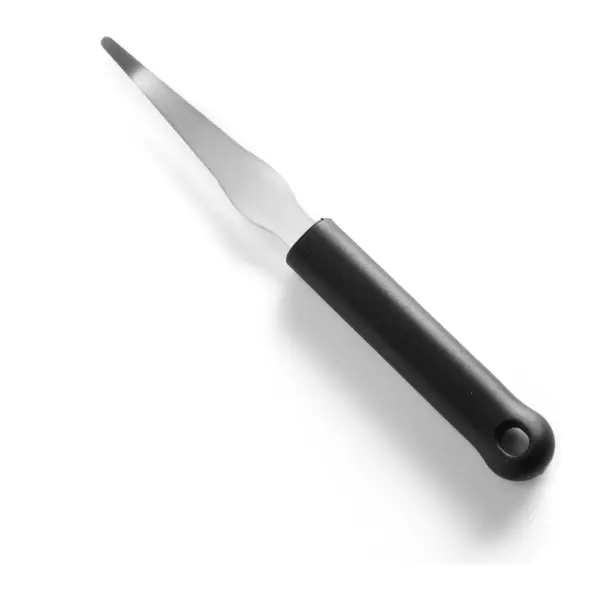
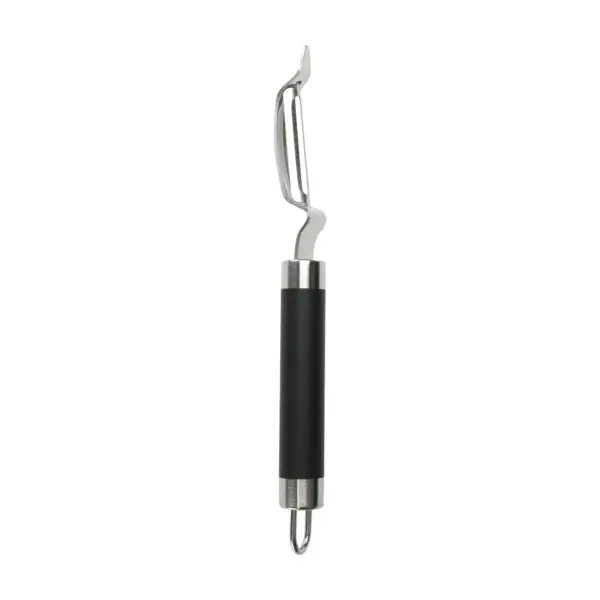
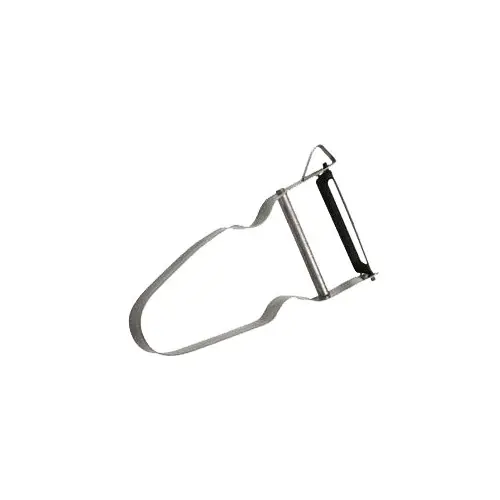
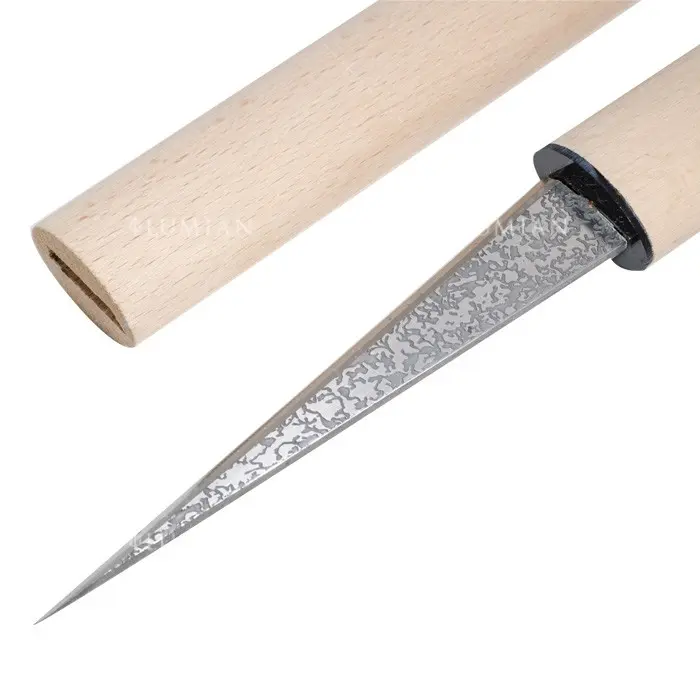
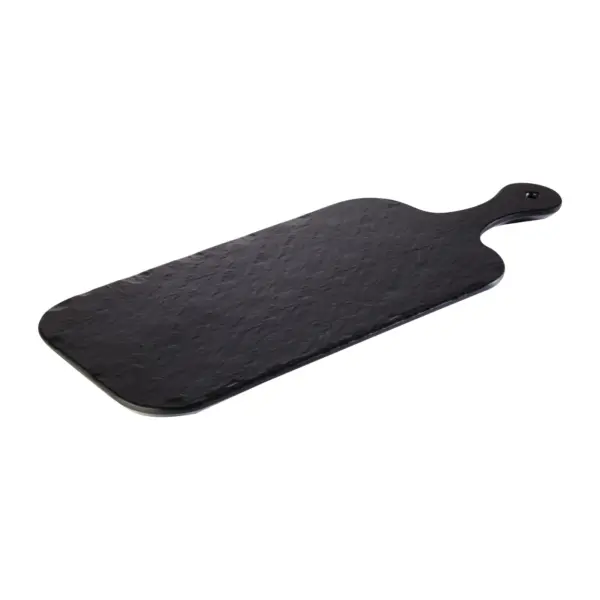
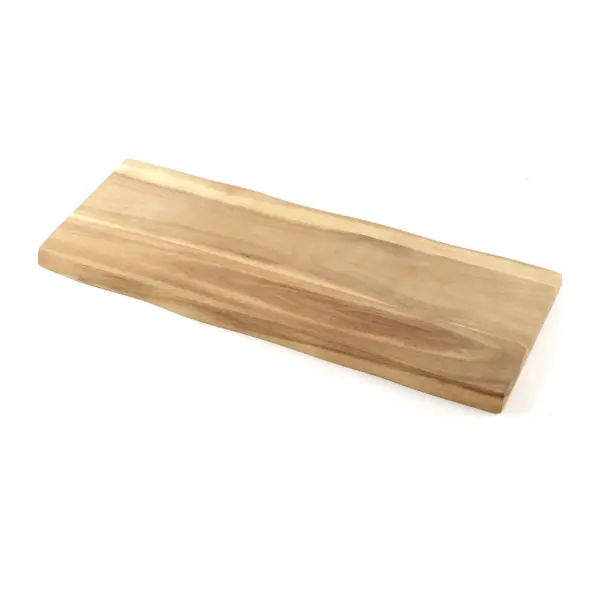
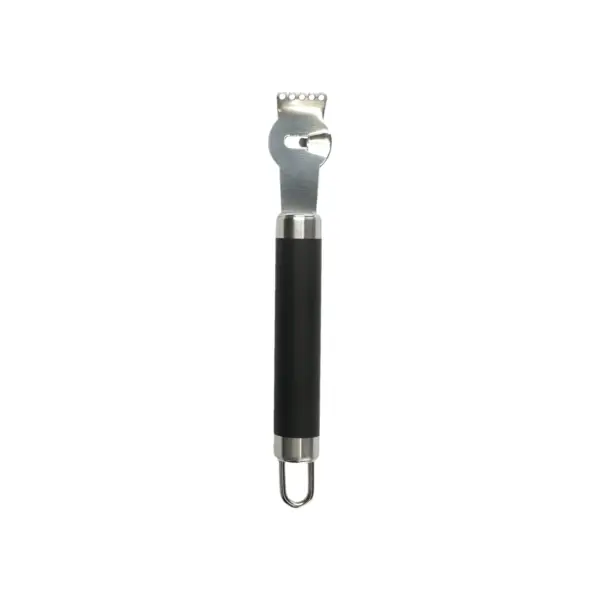
Boards, knives and citrus peelers are in the boards and knives category.
Dispatched from Rome, Italy.

Reviews
There are no reviews yet.