

The fruit wedger in two lines
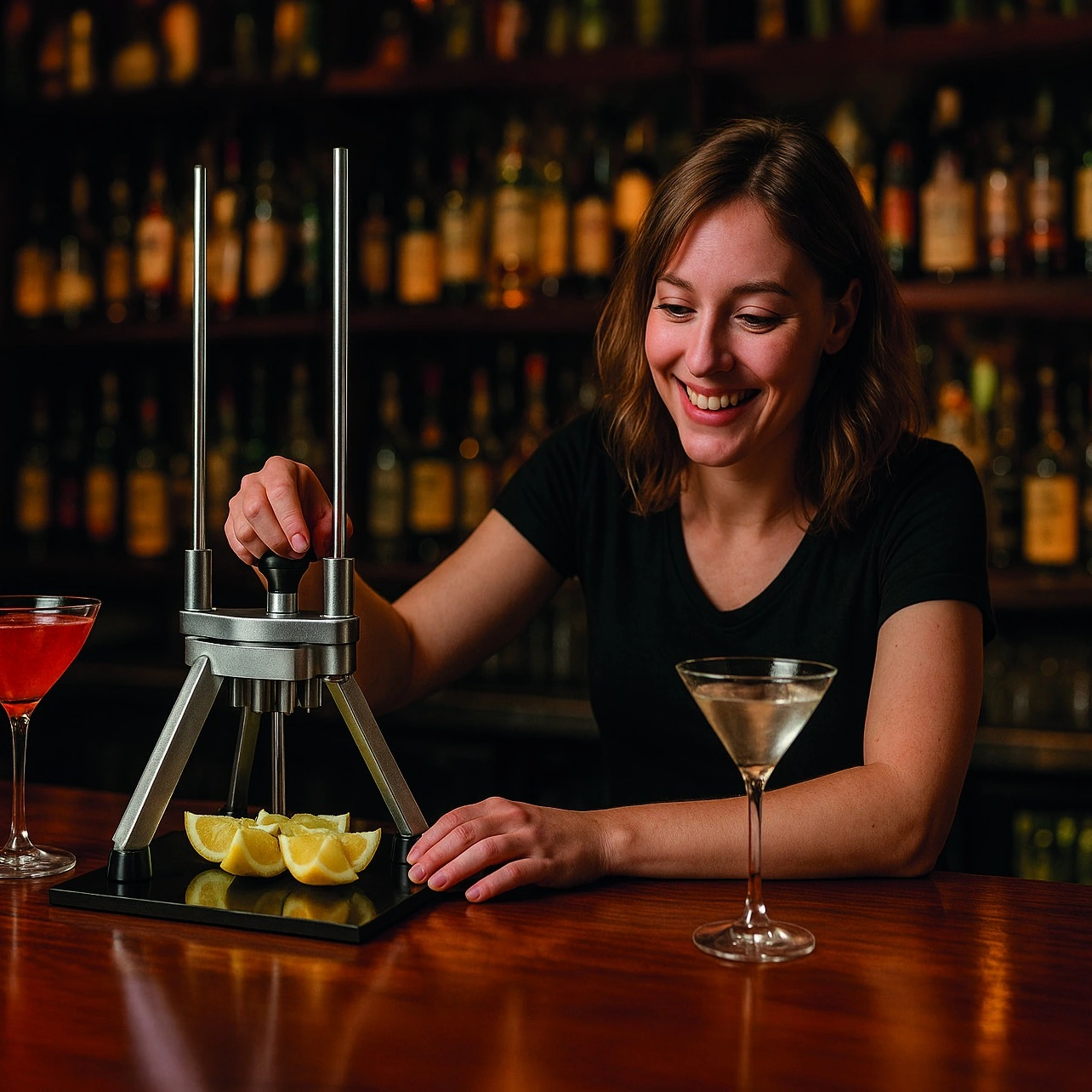
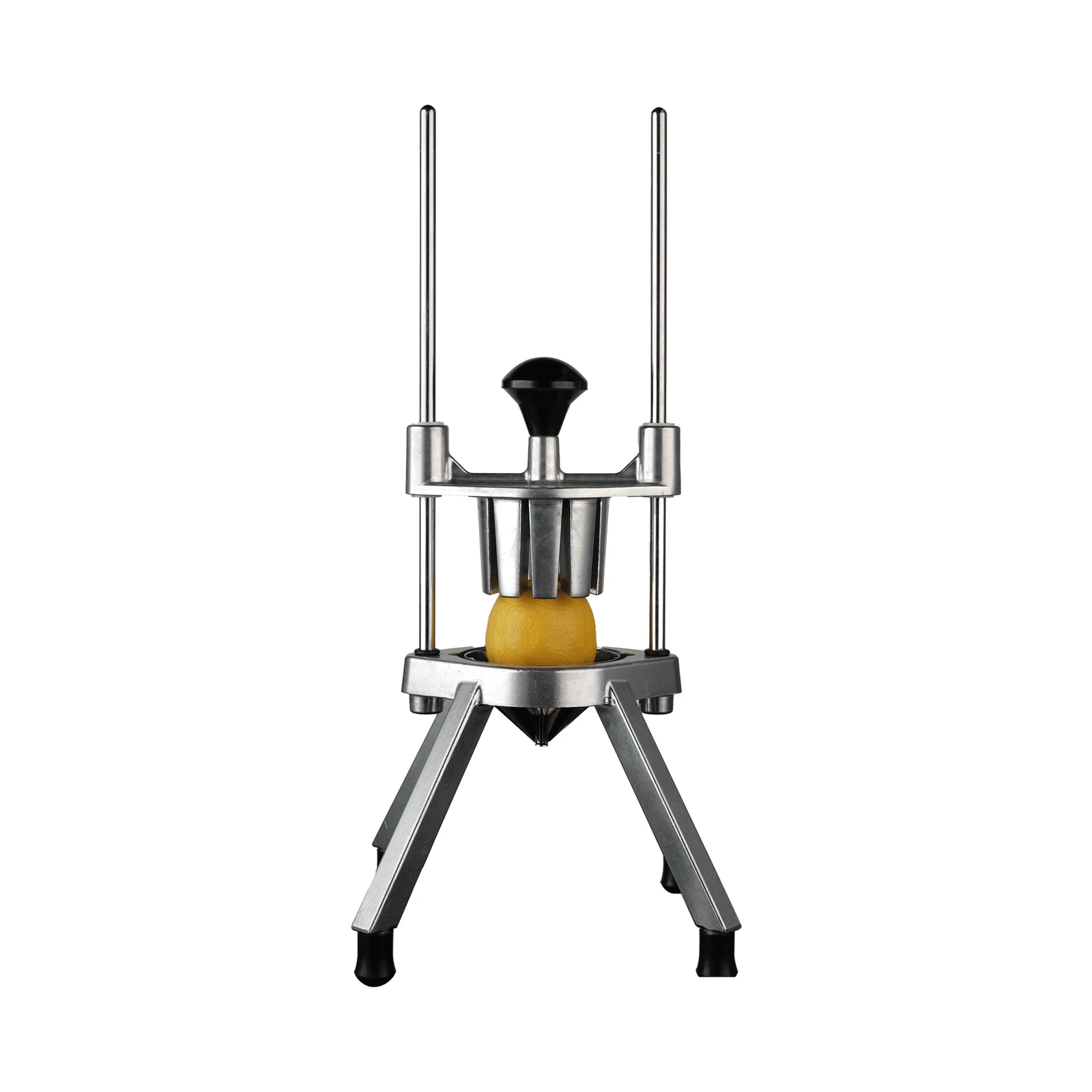
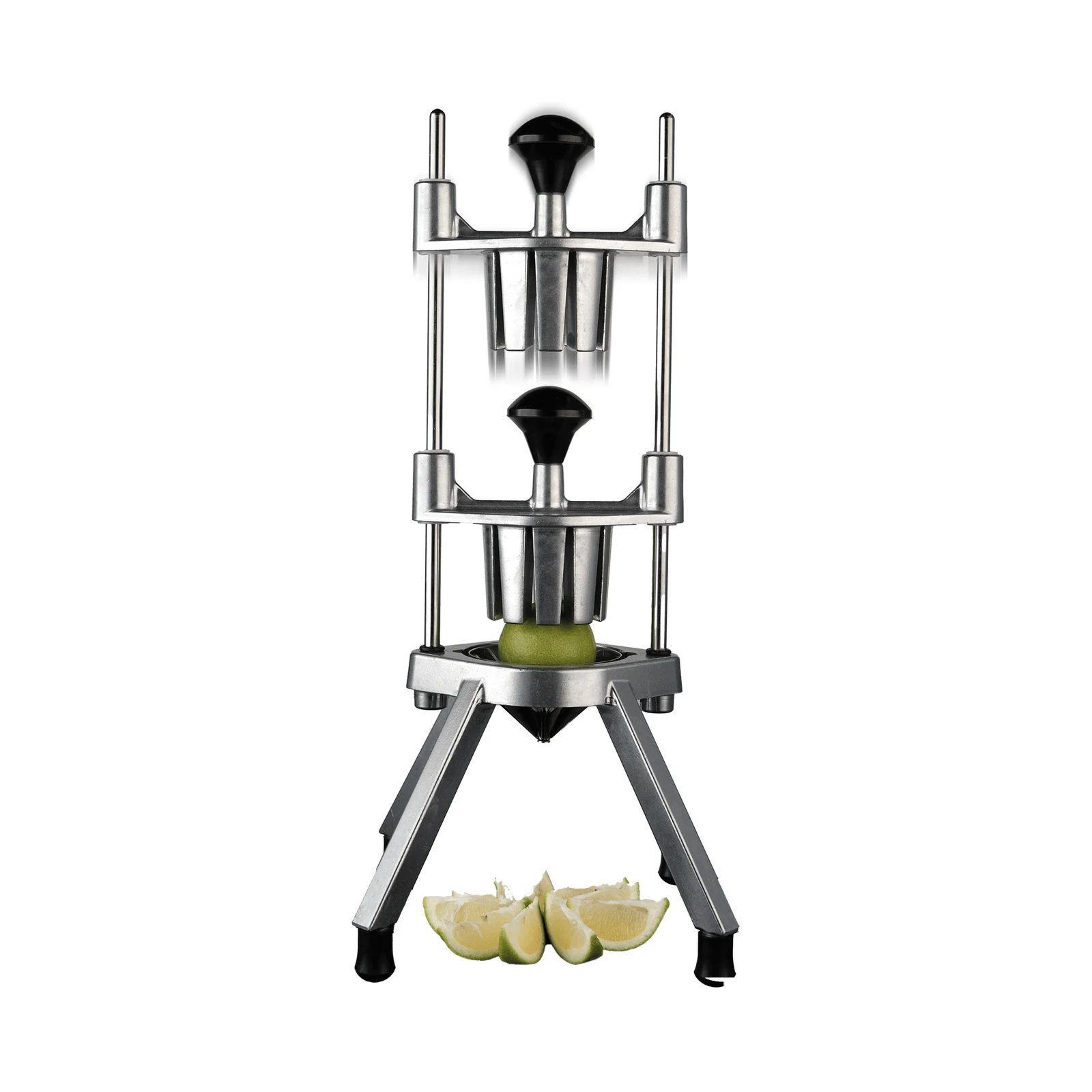
The fruit wedger is the countertop press that cuts a citrus fruit into ten sections with a single stroke of the lever. Steel alloy frame, blade cage in AISI 301 stainless steel, tripod with rubber feet and a clear drop underneath, so the wedges fall straight into the container.
Who it is for
For the bartender who opens with a hundred and fifty limes to prep and half an hour to do it. The fruit station is the longest job in the mise en place and the first to be skipped when you are running late, and when it is skipped the cutting happens during service, at the worst possible moment. A fruit wedger turns that half hour into a few minutes, and it does so once and for all.
Ten sections, and why ten
Because on a lime, ten wedges put the right amount of fruit on the rim of the glass: enough flesh to squeeze, enough peel for aroma, not so much that it covers the drink. With a knife that cut takes four passes, and the fourth pass is where the wedges come out uneven. With the lever they are all the same from the first to the last, and the same garnish on every glass is what separates a tidy service from an approximate one.

Specifications
- Sections: 10
- Blades: AISI 301 stainless steel
- Frame: steel alloy
- Base: tripod with rubber feet
- Output: from below, under the cutting head
- Use: limes, lemons and small to medium citrus
Why the blades are AISI 301 and not 304
Because 301 work-hardens. It is an austenitic stainless steel that, when cold-worked, gains hardness and springiness instead of staying soft like the 304 used in pans. On a thin blade that has to cut through peel and spring back straight at every stroke, those two properties are everything: the edge lasts longer and the blade does not warp. That is why a professional fruit wedger costs what it costs and a kitchen one bends after a season.
The tripod is not for looks
It removes the most pointless job of the day, which is picking up wedges. The three legs hold the cage up off the counter, so the fruit station tub fits underneath and the wedges land in it on their own. Press, remove the leftover fruit, press again. The rubber feet keep the fruit wedger steady while you push, and with a tall press that is the difference between a clean stroke and a crooked one.
Where it stops, and it should be said
On a large eating orange the ten wedges come out thin and slightly crushed at the tip, because the cage is designed around lime and lemon sizes. If your bar works through a lot of whole oranges, keep the knife as well, or halve them first. On very thick-skinned fruit, such as some winter grapefruit, the stroke takes real force and should be made with both hands on the knob.
Care
Rinse straight after use and dry. Citrus acid is the real enemy of every tool on the fruit station, and in a cage of thin blades it lodges in the corners: left overnight it leaves dull marks even on stainless steel. A soft brush between the blades and a generous rinse are enough. Keep the lever pivot clean and dry, because it is the only moving part.
FAQ
How many wedges does the fruit wedger make? Ten per stroke of the lever.
What steel are the blades? AISI 301 stainless steel, which work-hardens and holds its edge better than kitchen-grade stainless.
Does it work on oranges? On medium ones, yes. On large oranges the wedges come out thin: the cage is designed for lime and lemon.
Is it dishwasher safe? Hand washing is better, with a brush between the blades and the lever pivot dried.
Does it need fixing to the bar top? No, it stands on its own on the tripod with rubber feet.
Where do the wedges go? They drop underneath: put the fruit station tub in place and there is nothing to pick up.
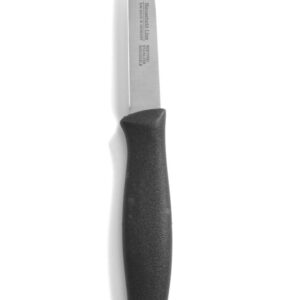
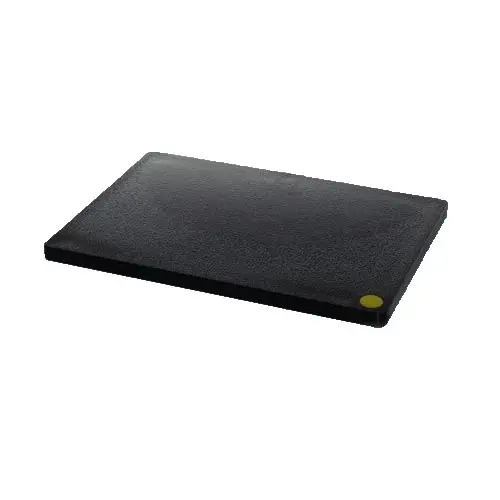
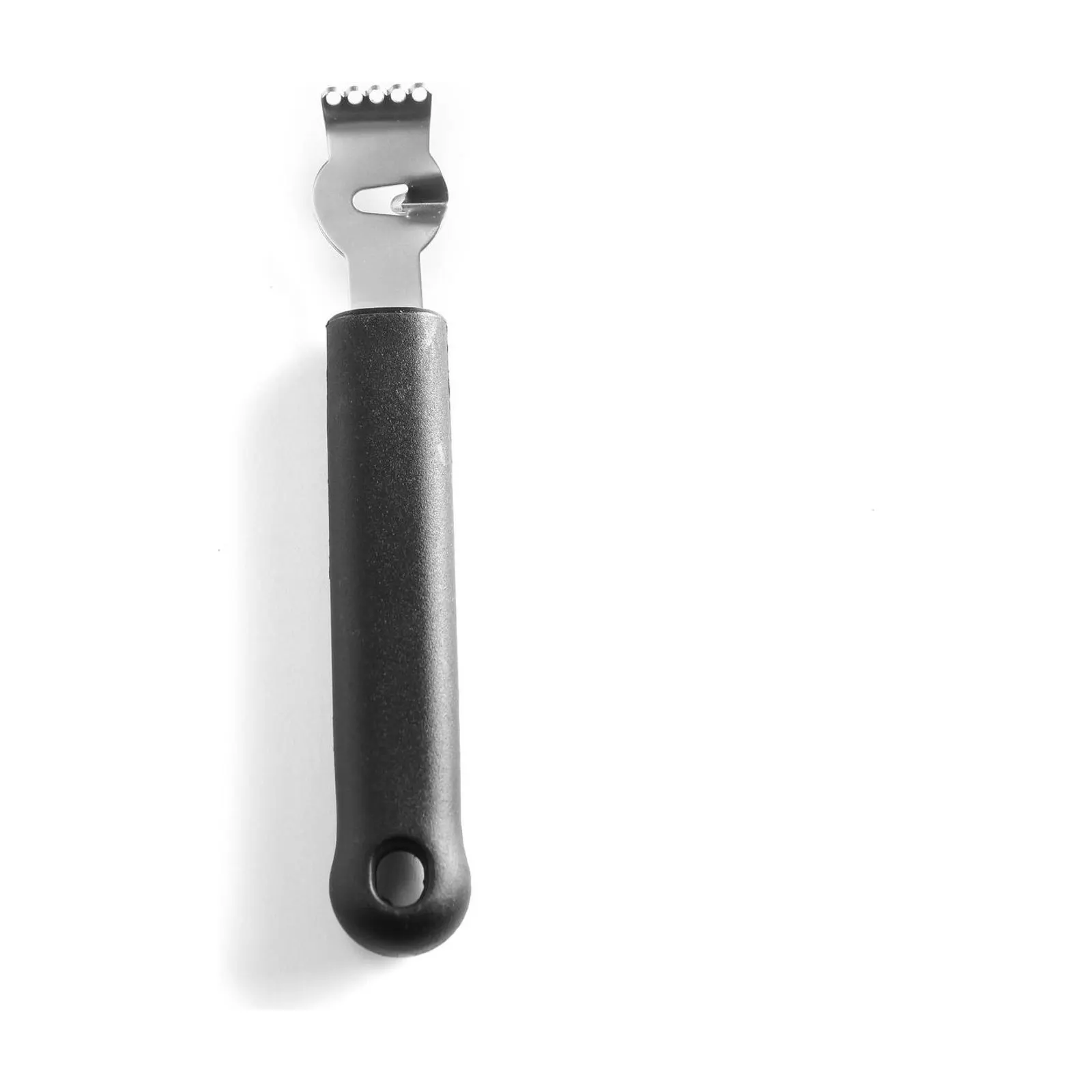
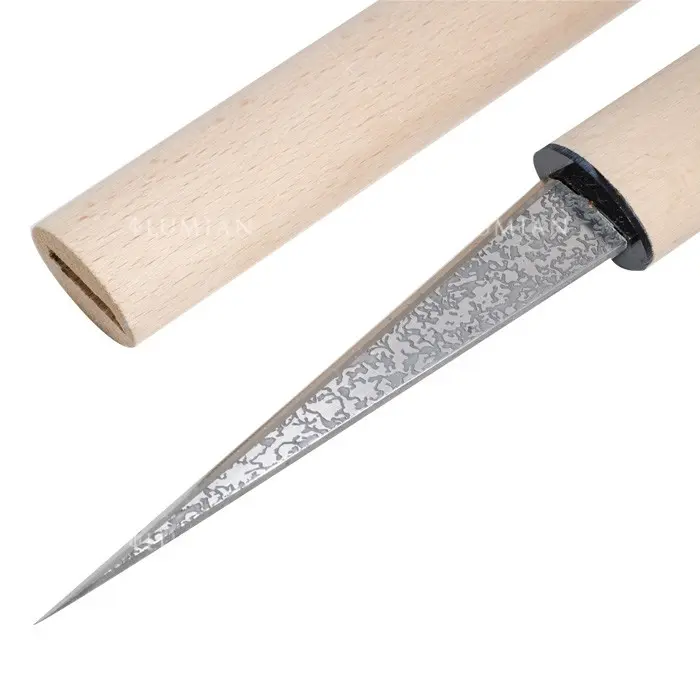
Dispatched from Rome, Italy. The rest of the fruit station is in the chopping boards and knives category.


Reviews
There are no reviews yet.