
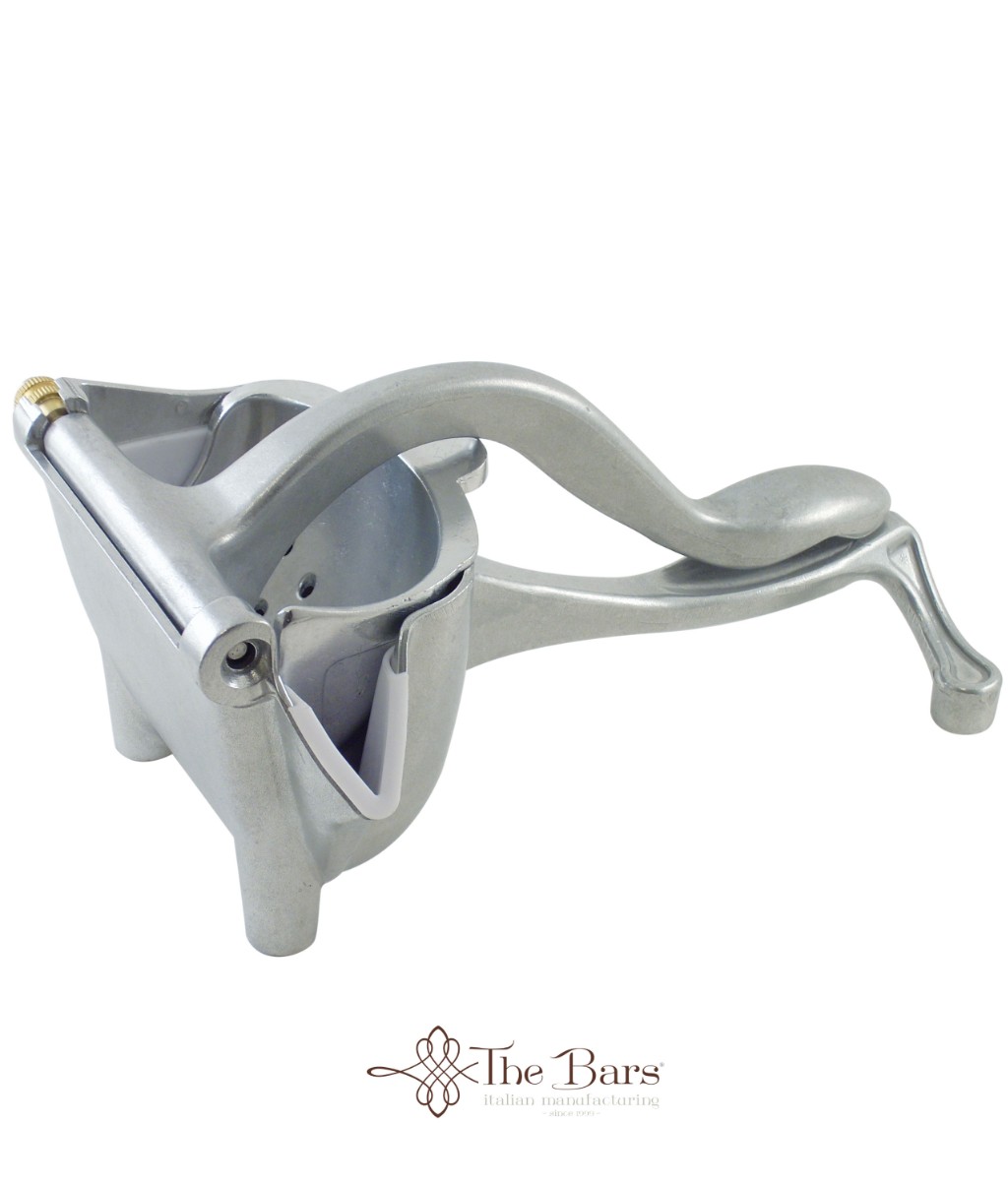
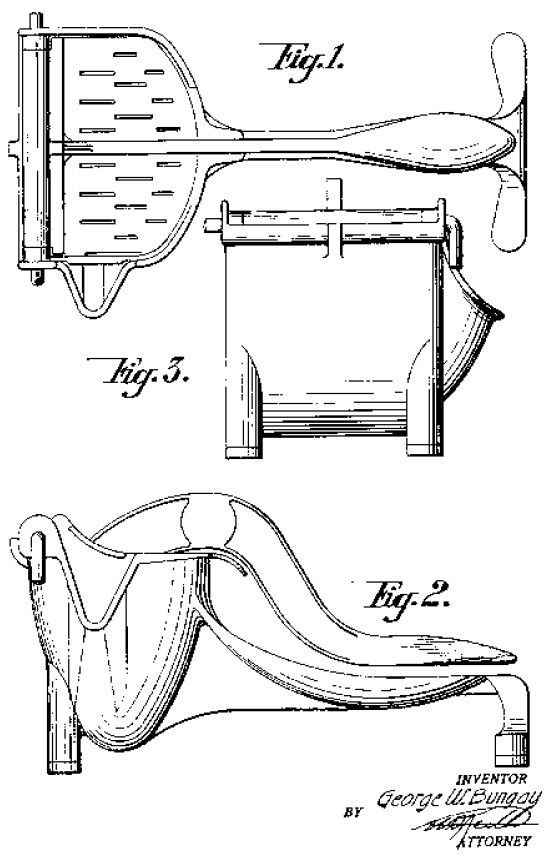

The vintage citrus press in two lines
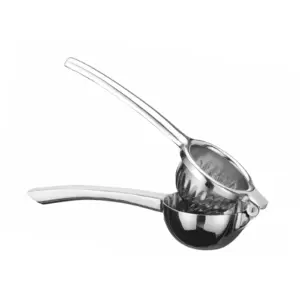
This is the vintage citrus press that stands on the station: a high corrosion resistance steel alloy, two PP spouts and a lever that does the work instead of the wrist.
Who it is for
For anyone pressing in quantity who makes the juice at the start of service. It is a preparation tool, not a single drink tool, and that is what decides whether it is worth buying.
Juice gets pressed beforehand, not per drink
Because citrus loses quality in hours rather than days: after half a day the fresh part is gone and the acid is left, and the drink turns sharp instead of alive. That is why juice is made in preparation, at opening, and not in the morning for the evening. A bar top citrus press is for exactly that moment, when fifty of them have to go through in a row.


Specifications
- Material: steel alloy with high corrosion resistance
- Spouts: 2, in PP
- Use: oranges, lemons and limes cut in half
- Mounting: free standing on the workstation
The lever, which is why it exists
Half a fruit in the cup, lever down, juice in the container. The force comes from the arm of the lever and not from the wrist, and that is what lets you press fifty fruit in a row without stopping: with a hand squeezer the same job gets paid for the next day. It is a difference of mechanics before it is one of comfort.
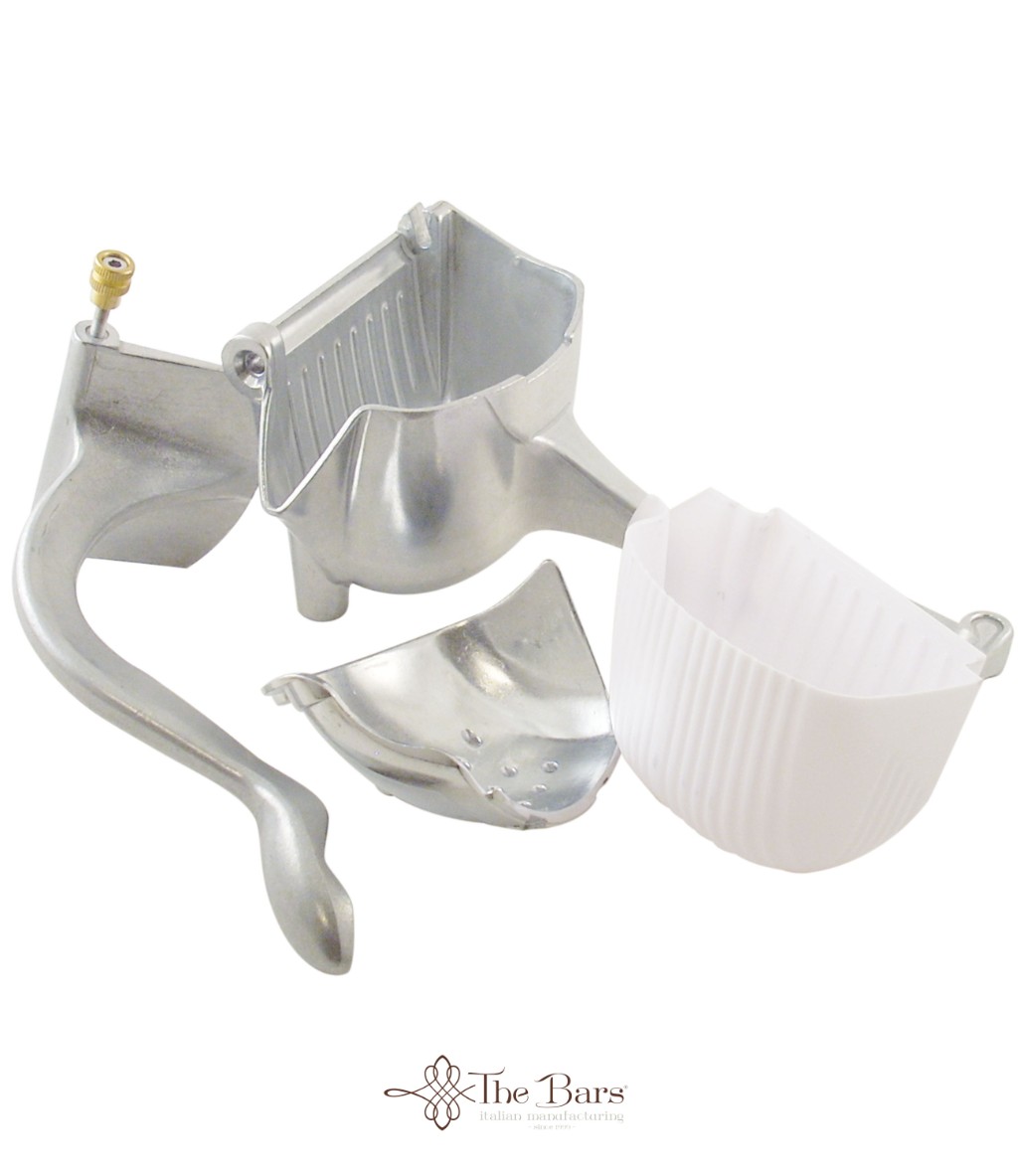
The two PP spouts
They send the juice straight down into the container, without running over the edges and without drops on the top. Across fifty consecutive presses that is the difference between a dry station and one that needs cleaning down, and the polypropylene is there because it takes continuous contact with acid without giving anything back to the juice.
The corrosion resistant alloy
That is the feature that decides how long it lasts. A tool in contact with citrus juice every day, at every point where the liquid sits, is under constant attack: with less suitable alloys pitting appears and then the metal marks. On a bar top press, which is an investment rather than a consumable, that alloy is what you are paying for.
Who does not need it
Anyone pressing per drink, one fruit at a time in front of the guest. In that case a hand squeezer is enough: it costs a fraction, takes no room and does the same job on small numbers. The bar top model pays back when the juice is made once for the whole evening and kept in a bottle.
Care
Take the cup and the spouts off and wash them at the end of preparation rather than at the end of the night: dried juice on the alloy and inside the two spouts is harder to shift than it looks, and polypropylene yellows where residue stays. Dry fully before putting it back together.
How much juice comes out, and how much to prepare
A medium lemon gives around 30ml, a lime 25ml, an orange 70ml. Those are the numbers the preparation count is built on: forty sours at 15ml of lemon each need around 600ml, which is twenty lemons. That is the calculation that decides how much fruit sits in the fridge, and with a lever press those twenty lemons are ten minutes of work.
FAQ
What is the vintage citrus press for? Pressing oranges, lemons and limes cut in half, in quantity.
How many spouts does it have? Two, in polypropylene, which send the juice straight down.
What is it made from? A steel alloy with high corrosion resistance.
When should juice be pressed? In preparation, at opening: in half a day it loses the fresh part.
Is it worth it if I press one fruit at a time? No, in that case a hand squeezer covers it.
How is it washed? By taking the cup and spouts off at the end of preparation, not at the end of the night.
The more you buy, the less you pay: 4 pieces -5%, 6 -7%, 8 -10%, on the same item.
Dispatched from Rome, Italy. 15-day returns, free of charge. Questions before you order? Message us on WhatsApp on +39 351 929 6937.
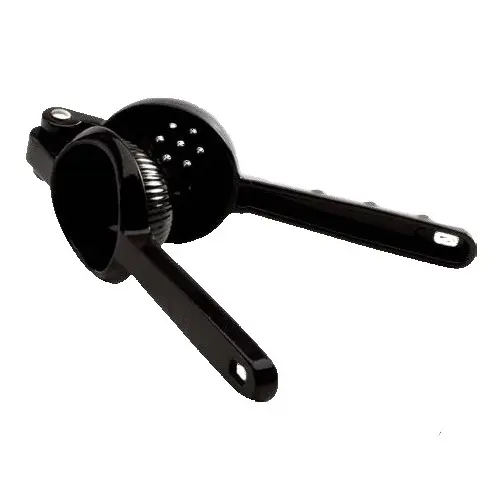
The other models are in the citrus press category.





Reviews
There are no reviews yet.