


The glass atomiser in two lines
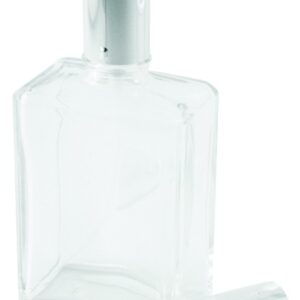
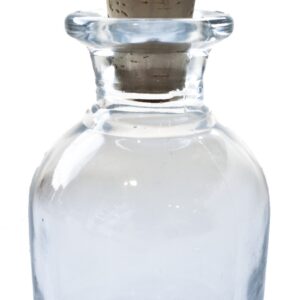
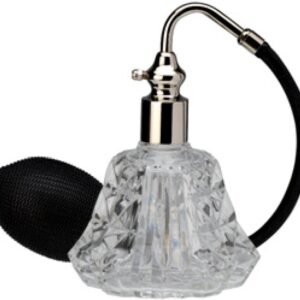
A glass bottle with a vintage spray head, the one with the rubber bulb, used to lay aroma evenly over the surface of a cocktail. It measures 10 x 17 x 10cm.
Who it is for
For anyone keeping atomisers on the bar top. Glass has one advantage metal does not: you can see how much is left and what shade it is, so you never find out you are empty by pressing on nothing in front of a guest. On a tool used at the end of the build, with the drink already in the glass, that is no small thing.
Why a spray changes the drink
Because most of what we call taste is smell, and smell works before the sip. A spray puts the scent exactly where the nose meets it first, on the surface of the liquid, and it does so without adding volume: the spec does not move, the dilution does not change. A glass atomiser lets you act on a cocktail that is already finished, which is the one moment when no other correction is available.


Specifications
- Bottle material: glass
- Delivery: fine spray, vintage bulb head
- Dimensions: 10 x 17 x 10cm
- Weight: 300g
- Capacity: not stated by the supplier, ask us before ordering
Glass or steel
They are two versions of the same bottle and the choice is practical before it is anything else. Glass shows the level and the shade, so you always know where you are; steel keeps light off, which over time dulls the scent of an extract, but hides the contents. Anyone keeping the glass atomiser on the bar top uses it often and refills it often, so light never gets the chance to do damage; anyone making an essence meant to last months takes the metal.
What to put in it
Absinthe and anise liqueurs for rinses, peated whisky for smoke, aromatic waters and herb distillates for finishes. It pays to keep one bottle per preparation: the channel in the head holds back enough liquid for the previous product to show up in the first few sprays.
Care
Rinse it by working the spray with warm water until it runs clean, because the part that clogs is the channel and not the bottle. Keep thick or sugary liquids out of it, they block it within an evening. Glass washes by hand and gets dried, and it wants to sit away from the edge of the bar top: it is the most fragile tool in the category.
How to spray
From about twenty centimetres, in a single press, watching the surface of the drink: once an even veil has formed, that is it. Closer and a concentrated jet lands in one spot; further and half of it ends up on the bar top. It is a gesture you learn in three attempts and then never get wrong.
Into the empty glass or onto the finished drink
Into the empty glass, before you pour, the scent carries through the whole cocktail: that is the rinse. On the finished drink it stays on the surface and reaches the nose, strong and then fading: that is the finish. A glass atomiser does both, and the choice changes the result far more than the product you put in it.
FAQ
How much does the glass atomiser hold? The supplier does not state the capacity: ask us to confirm before you order.
Why take it over the steel version? Because you can see the level and the shade of what is inside.
What is it for? Laying aroma over the surface of a drink without adding liquid.
Can it be used for a rinse? Yes, and it uses a fraction of the product a poured rinse does.
Can it take syrups? No, thick liquids clog the channel.
The more you buy, the less you pay: 4 pieces -5%, 6 -7%, 8 -10%, on the same item.
Dispatched from Rome, Italy. 15-day returns, free of charge. Questions before you order? Message us on WhatsApp on +39 351 929 6937.
The rest of the range is in the bitter bottles and atomisers guide.



Reviews
There are no reviews yet.