
Bar Tools
Jiggers
Measuring is the difference between a cocktail that comes out the same every time and one that changes with whoever is on shift. Here are the jiggers that measure to the millilitre: the classic double cone, tall Japanese models, graduated versions. All in stainless steel, with markings you can read and a quick movement behind the bar. Below, the guide to choosing yours.
21 products selected
-
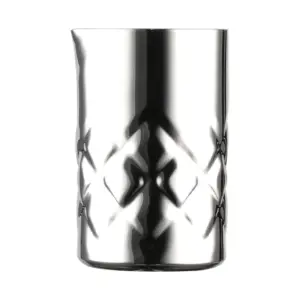 JiggersAdd
Jigger Measure Iron 15-60ml, Diamond-Cut Stainless Steel
Original price was: 18,50 €.12,90 €Current price is: 12,90 €. ex VAT -
Add
-
 JiggersAdd
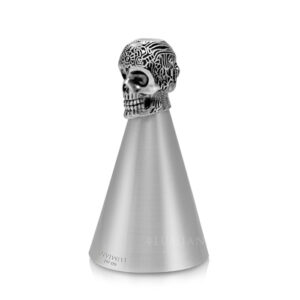
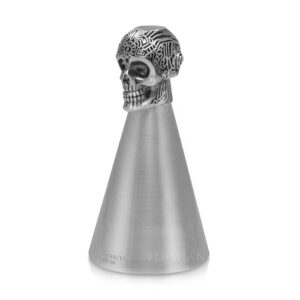
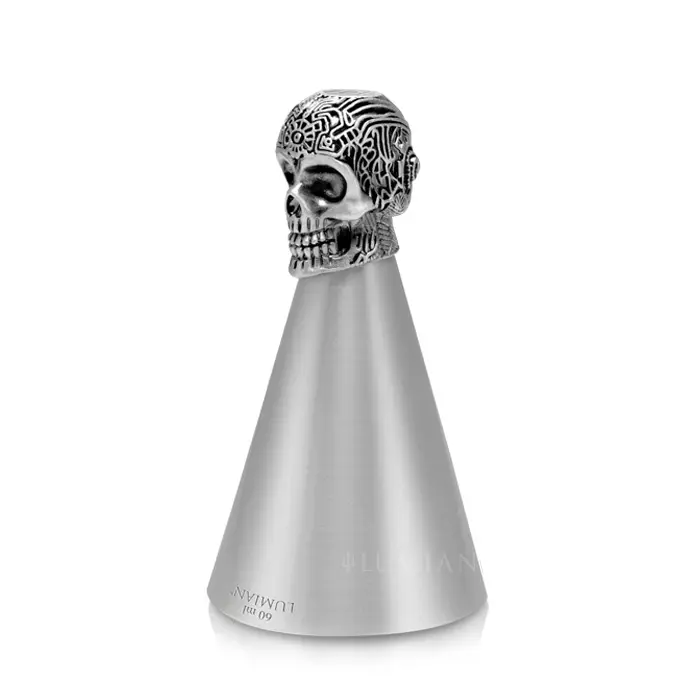
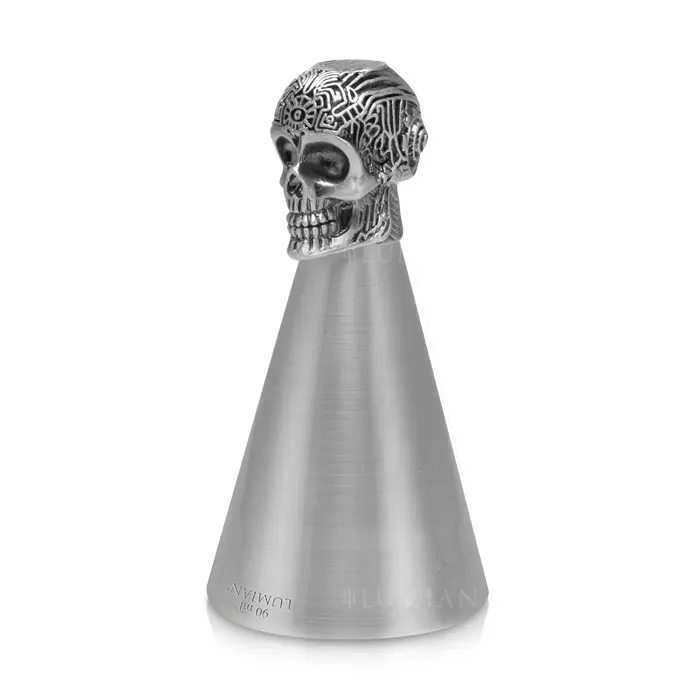
Jigger Skull 90ml, Matt Anti-Fingerprint Finish
Original price was: 22,90 €.22,87 €Current price is: 22,87 €. ex VAT -
 JiggersAdd
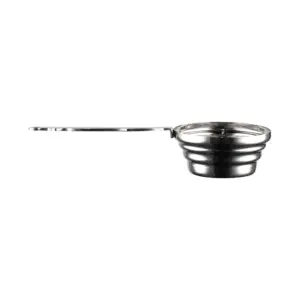
Jigger with Handle 15-60ml, Stepped Cup, Stainless Steel
Original price was: 13,50 €.9,50 €Current price is: 9,50 €. ex VAT -
 JiggersAdd
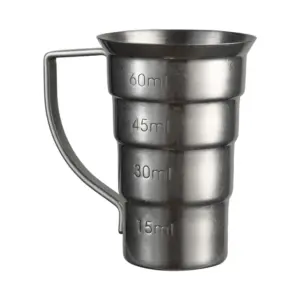
Stepped Jigger 15-60ml, Vintage Finish Stainless Steel
Original price was: 24,50 €.15,90 €Current price is: 15,90 €. ex VAT -
Add
-
Add
-
 JiggersOptions
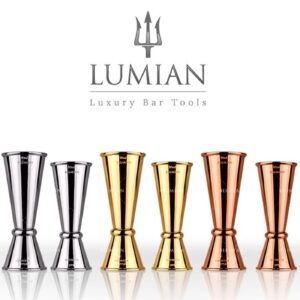
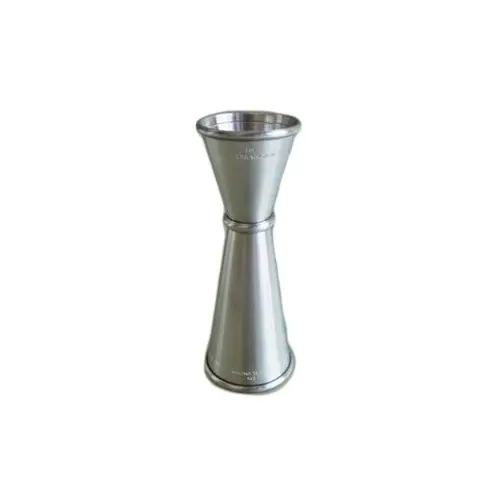
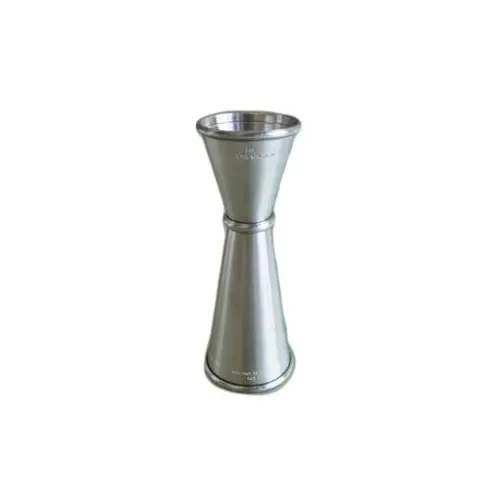
Japanese Jigger Lumian, 18/10 Stainless Steel, 15/30, 20/40, 25/50 or 30/60ml
Price range: 7,90 € through 14,90 € ex VATClear15/30ml20/40ml25/50ml30/60ml
Jiggers: the measure that holds your menu together
A cocktail is a spec. If the bartender pours by eye, the spec changes twenty times a night and guests notice. The jigger is there so the first table and the last get the same drink, whoever is behind the bar. In a venue that sells on consistency it is production control. Like any precision tool, it is chosen on the details.
Material and markings
The standard is 18/10 stainless steel (AISI 304): it holds no odours, does not react with acids and rinses clean in a second between drinks. What makes the difference is the markings inside. A good jigger lets you read the level at a glance, even in low speakeasy light, without stopping to check. Poorly printed or crowded markings slow you down at the moment the queue builds.
Sizes and capacities
The classic double jigger has two opposing cups. The most common pairings are 15/30ml for small doses, 30/45ml as the all-rounder and 30/60ml for larger pours or batches. If you run the same menu every night, keep two jiggers of different sizes within reach: you change measure without changing movement. These sizes are for cocktail specs. In the UK, gin, rum, vodka and whisky sold by the glass as single measures are served in 25ml or 35ml or multiples, from a stamped measure or an optic.
Handling and style
The Japanese jigger is tall and slim: a high centre of gravity and a controlled pour, the clean movement that is almost a signature in Japanese-style cocktail bars. The classic double jigger is shorter and quicker, suited to volume. For an open bar counter where the look matters there are dark designer finishes, and a drip tray keeps spills off the station.
| Type | Typical capacities | Who it suits |
|---|---|---|
| Classic double jigger | 15/30, 30/45, 30/60ml | High volumes, speed of service |
| Japanese (tall) | 30/45ml | Precision cocktails, open bar counter |
| Designer / dark finish | various | Speakeasies and venues that work on the look |
Pieces to put on show
The Lumian Japanese Jigger has the tall line that makes the pour a controlled movement. On an open bar counter, measuring becomes part of the show.
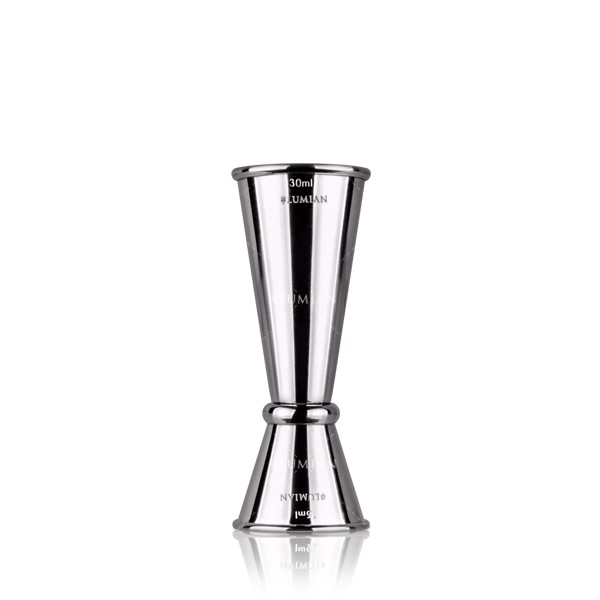
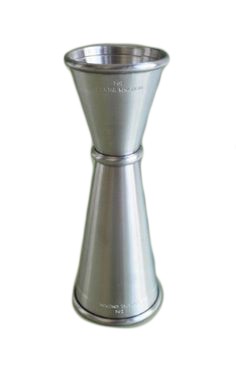
The Pro Jigger 30ml and 60ml is the double jigger built for volume: two wide cups, readable markings inside, a quick movement when the room fills up.
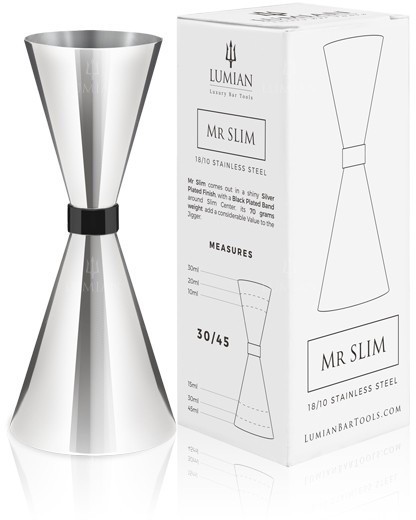
For a bar counter that works on its look, the Mr Slim Black Ring brings a dark speakeasy finish and keeps the measure precise.
The jigger works with the rest of the station: the bar spoon to stir, the mixing glass for stirred drinks and the shaker for shaken ones.
Frequently asked questions
What is the difference between a Japanese jigger and a classic jigger?
The Japanese jigger is tall and slim, with a high centre of gravity that gives a more controlled pour: it is the choice for precision work and open bar counters. The classic double jigger is shorter and quicker, suited to high-volume service.
Which jigger sizes does a professional bar need?
The most common pairings are 15/30ml for small doses, 30/45ml as the all-rounder and 30/60ml for larger pours or batches. Two jiggers of different sizes within reach cover most specs. In the UK, single measures of gin, rum, vodka and whisky sold by the glass follow 25ml or 35ml, from a stamped measure or an optic.
Why choose a stainless steel jigger?
18/10 stainless steel (AISI 304) holds no odours, resists the acids in citrus and bitters and rinses clean in moments between drinks. It is the standard for heavy professional use.
What is a jigger with markings for?
The markings inside let you measure several amounts with one tool, reading the level at a glance even in low light. It helps when a spec calls for measures between the two main capacities.
How do you pour correctly with a jigger?
Fill to the brim or to the marking, holding the jigger steady between the fingers, then tip it into the mixing glass or shaker in one firm movement. A drip tray under the station keeps spills off the bar top.
Can't find what you need?
Tell me what you are looking for