The tools for prepping garnish: the paring knife for clean citrus cuts, the board that stays with the bar, the peeler and the channel knife for twists and scented spirals, and on to the knife for carving ice. Here is the cutting kit of the bartender. Below, the guide to choosing the right tools.
Chopping boards and knives: the garnish starts with the cut
Before a peel lands on the rim of a Negroni, someone cut it. And how it was cut shows: a clean lime wheel, a neat lemon spiral, a twist that releases its oils without breaking up. A bartender's cutting kit is not a set of kitchen knives. These tools are built for precision on small cuts and for citrus, the ingredient that gets cut most at the bar.
The bartender's knife
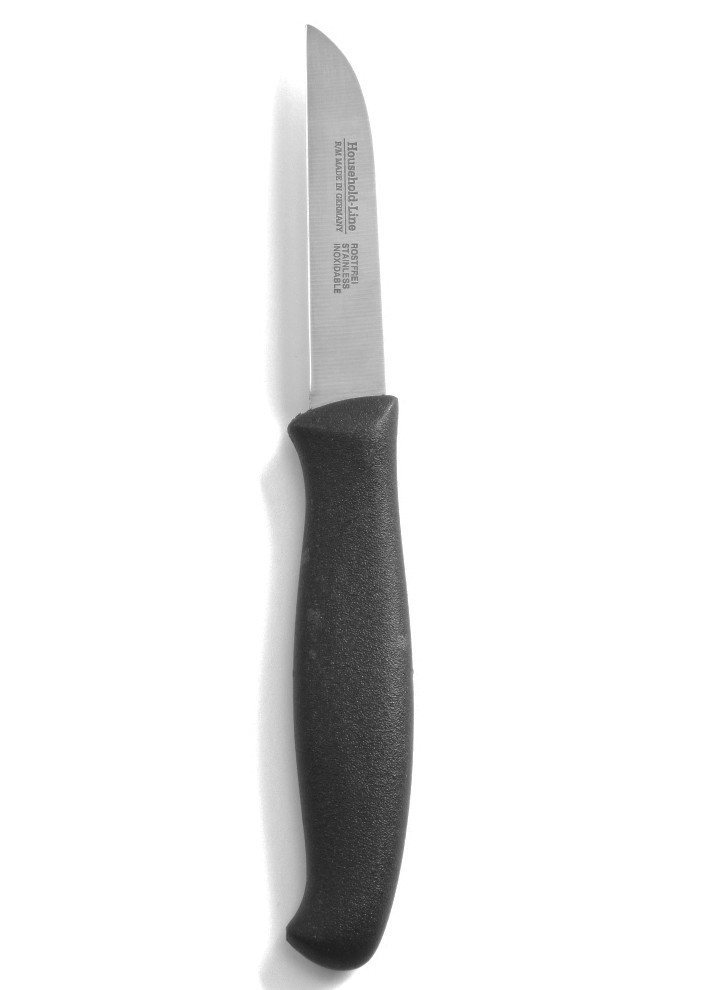
The main tool is the paring knife: short blade, easy to handle and, above all, sharp. A sharp knife cuts a clean wheel without crushing the fruit, while a dull blade tears the flesh and loses juice and presentation. Keep the edge sharp, because with citrus a clean cut is everything.
Peels and twists: swivel peeler and channel knife
The peel is part of a great many cocktails. The swivel peeler takes wide strips of zest to express over the drink and release the oils. The channel knife cuts thin decorative spirals, the kind that curl round the glass as a garnish. Both work on the zest and leave behind the white pith, which is bitter: that is the line between an aromatic peel and one that spoils the drink.
A dedicated board
A board kept for the bar, separate from the kitchen, is a matter of hygiene and order. Polyethylene boards are easy to sanitise and gentle on knife edges. One board kept for citrus avoids crossover of flavours and follows good food safety practice, such as the colour-coded boards used in professional kitchens.
Carving ice
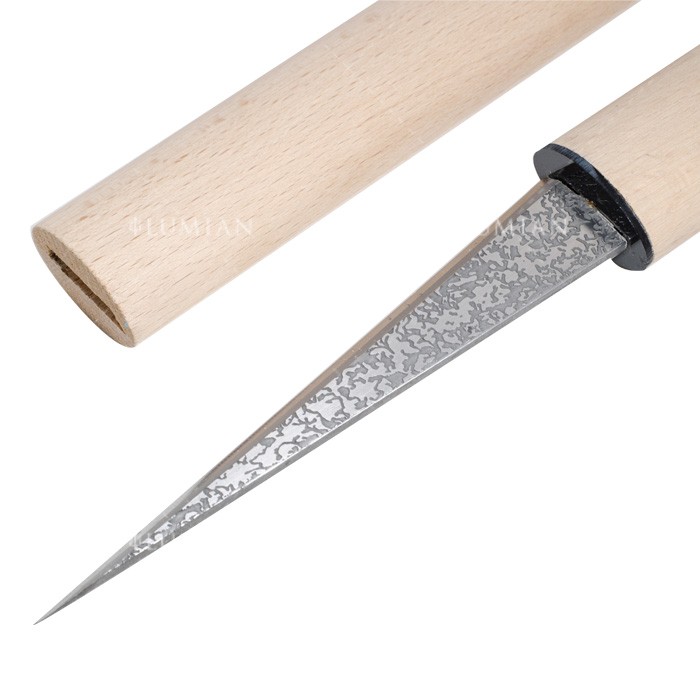
Cocktail bars have brought carved ice back: clear cubes, spheres, sculpted blocks. Ice carving knives trim and shape blocks into the single clear cube that sits in an Old Fashioned. It is precision work that turns an ingredient into part of the presentation.
Tool
What it does
Paring knife
Cuts citrus and fruit precisely
Swivel peeler
Takes wide peels to express over the drink
Channel knife
Cuts decorative spirals of zest
Dedicated board
A hygienic surface kept for the bar
Ice carving knife
Trims clear cubes and blocks
Pieces to put on show
The Straight Paring Knife is the bartender's knife: a short, sharp blade for clean citrus wheels, without crushing the flesh or losing juice.
The Channel Knife cuts the thin spirals of zest that garnish the glass, the classic twist on a signature serve.
The Hanzo Ice Carving Knife trims and shapes blocks of ice: the tool for the clear cube in an Old Fashioned.
The main tool is a paring knife, with a short, sharp blade to cut citrus and fruit precisely. Alongside it go a swivel peeler and a channel knife for peels and, in modern cocktail bars, knives for carving ice.
What is a channel knife for?
It cuts thin spirals of citrus zest, the kind that curl round the glass as a garnish. It works only on the coloured zest and leaves the bitter white pith behind, for a peel that is aromatic and decorative.
Why use a chopping board kept only for the bar?
A board kept for the bar, separate from the kitchen, avoids crossover of flavours and follows good hygiene practice. Polyethylene boards are easy to sanitise and gentle on knife edges, and colour coding keeps uses apart.
How do you use a peeler for cocktail peels?
The swivel peeler takes wide strips of zest from the coloured part of the fruit. The peel is then expressed over the drink to release the oils, leaving out the bitter white pith that would spoil the aroma.

 Chopping Boards and KnivesAdd
 Chopping Boards and KnivesAdd