

The eco wood muddler in two lines
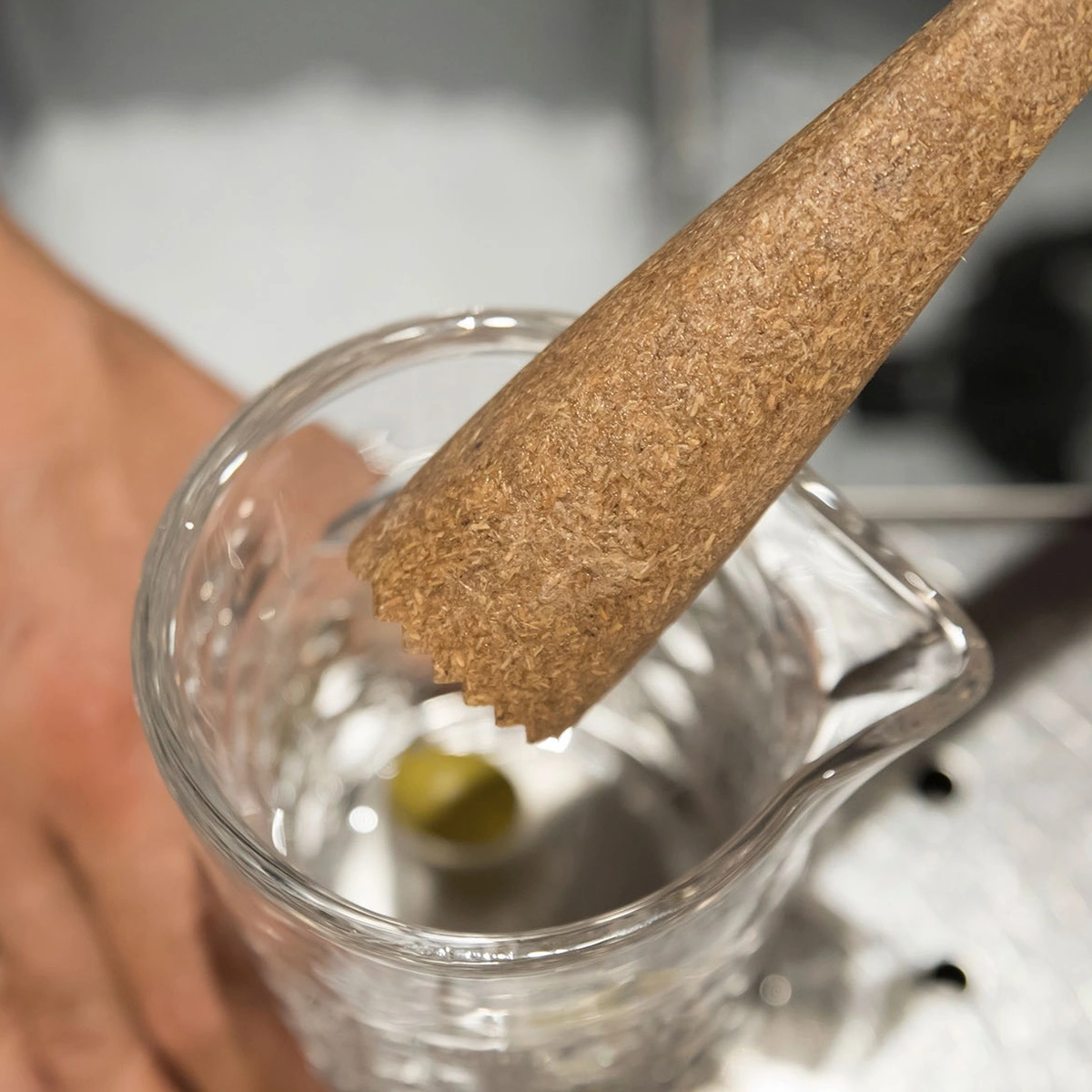
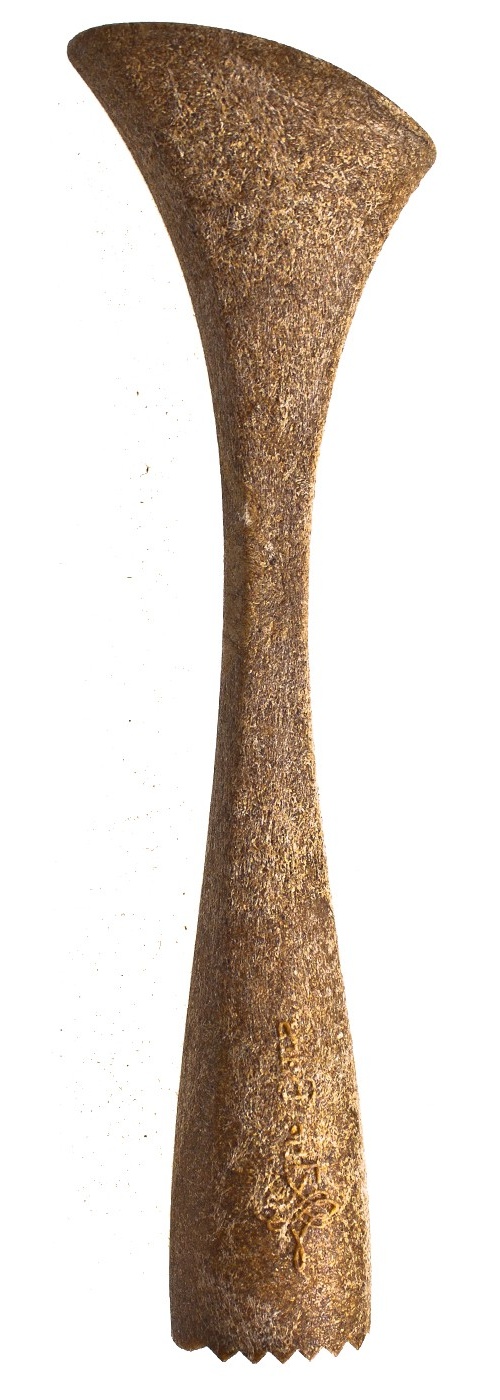
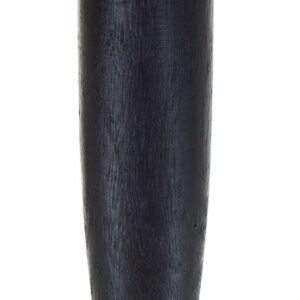
This is the cocktail muddler in eco wood, a material made of 70 per cent wood and 30 per cent polycarbonate: 210mm tall, 95 grams, shaped grip and toothed head. It puts the look of wood together with the stability of a technical plastic.
Who it is for
For anyone who wants wood without its faults. A solid wood muddler is warm in the hand and good to look at, but it takes up moisture, swells, cracks and over time holds smells; a plastic one has none of those problems and none of the look either. Eco wood sits exactly in between.
What eco wood is
Seventy per cent wood fibre and thirty per cent polycarbonate, mixed and moulded together. The fibre gives the colour, the grain and the feel; the polymer fills the gaps between the fibres, and what comes out does not take up liquid the way natural wood does. It is the same principle as the composites used for outdoor decking, and on a tool that spends its life among limes and sugar that is a concrete advantage: no swelling, no cracks holding residue.


Specifications
- Material: eco wood, 70% wood and 30% polycarbonate
- Head: toothed
- Height: 210mm
- Weight: 95g
- Grip: shaped
The toothed head, and what to use it on
The teeth are there to bite into citrus peel and to break down sugar: they create friction, so they release the essential oils from the skin of a lime. On mint they tear it, and a torn leaf gives up chlorophyll, which means bitterness and a dull colour. The right sequence is to work lime and sugar first with the toothed muddler, add the mint afterwards and press it once or twice, no more.
Press and turn
Press towards the base and turn a quarter of a turn, two or three times. Anyone who strikes ends up with shattered lime and a bitter drink, because the bitterness comes out of the white pith. The shaped grip is there to meter the force rather than dump all of it at once, which is why on a muddler it is worth looking at how the handle is made and not only at the head.
Washing, with one reservation
On a mixed material the dishwasher is the uncertain variable: polycarbonate takes hot cycles, wood fibre much less so. The supplier does not state it, so hand wash in warm water and dry, which on a muddler is twenty seconds. Rinse it straight after use in any case, because dry sugar on the teeth turns into a crust.
Why choose eco wood over real wood
For a practical reason: a solid wood muddler has to be washed by hand, stood up to dry and never left soaking, and in a summer service those attentions go out of the window by the third mojito. A material like eco wood forgives far more, because the polymer part stops the absorption that makes wood swell and crack. You keep the warm look of wood on a bar that is on show, and the maintenance that wood usually imposes goes away.
FAQ
What is eco wood? A material made of 70% wood and 30% polycarbonate.
How tall is it? Two hundred and ten millimetres, at 95 grams.
Is it dishwasher safe? The supplier does not state it, so hand wash is the safer route.
Is the toothed head right for mint? The teeth are made for lime and sugar: on mint you press, you do not tear.
Does it crack like wood? No, the polymer fills the gaps between the fibres and stops liquid being absorbed.
The more you buy, the less you pay: 4 pieces -5%, 6 -7%, 8 -10%, on the same item.
Dispatched from Rome, Italy. 15-day returns, free of charge. Questions before you order? Message us on WhatsApp on +39 351 929 6937.
For the comparison between muddlers there is the muddler guide.
Reviews
There are no reviews yet.